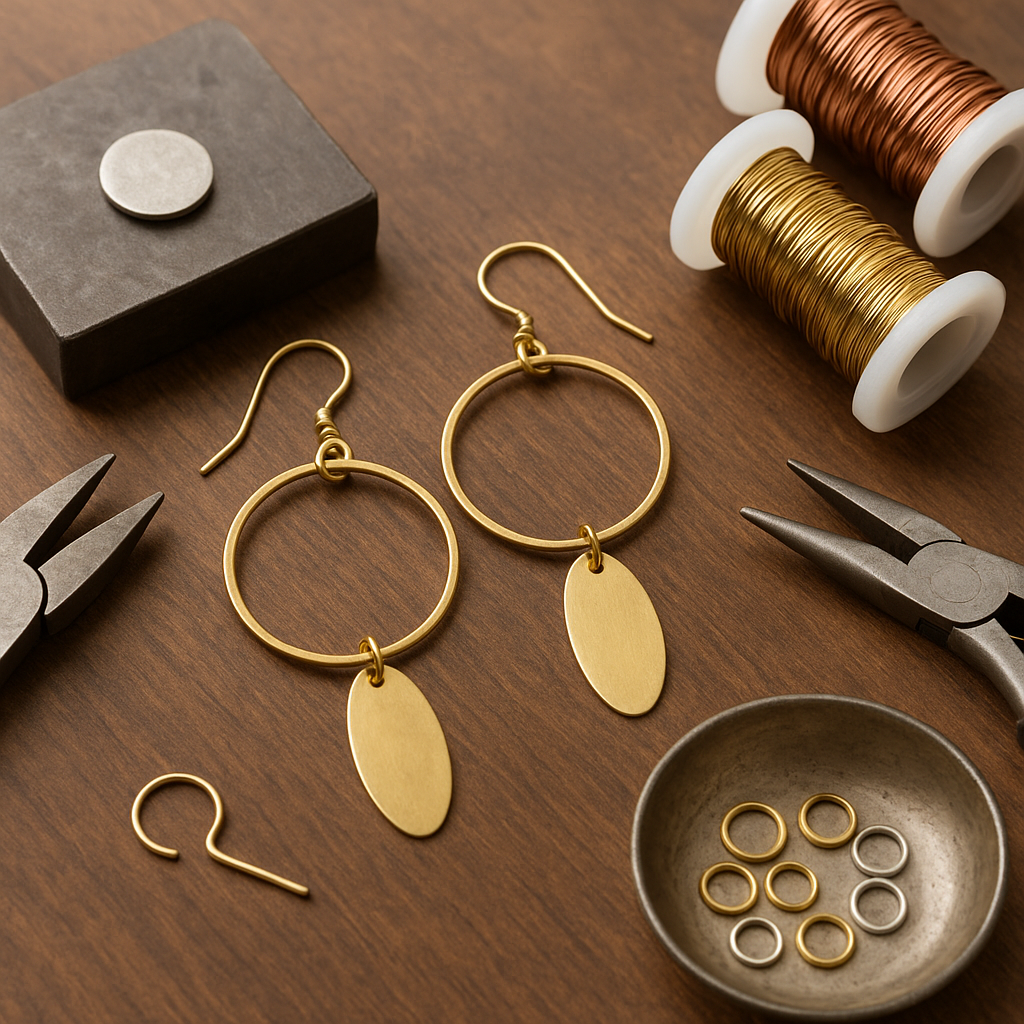
Choosing the right metal for handmade earrings is both a science and an art. The science lives in alloys, skin chemistry, mechanical behavior, and regulations. The art shows up in finish, color, movement, and the way a metal’s surface tells a story as it’s worn and loved. Whether you are a maker deciding which wire to twist into ear hooks or a buyer comparing posts and settings, understanding the character of each metal will make your pieces more comfortable, longer‑lasting, and truer to your design intent. This guide walks through the metals most commonly used in earrings, how they behave, how they feel on the ear, and how to match them to style, budget, and care preferences.
What “right metal” really means for handmade earrings
There is no single best metal; there are better matches for specific ears, designs, and contexts. The decision balances five elements:
- Skin comfort and potential sensitivities
- Aesthetic color and finish options
- Structural needs like spring, strength, and weight
- Maintenance expectations and longevity
- Price, value, and ethical considerations
For the wearer, comfort often tops the list. For the maker, fabrication behavior (how the metal cuts, solders, polishes, and work-hardens) is equally important. The “right” choice is the overlap—what feels great, looks the part, and lets the design function in the real world.
Skin sensitivity essentials: what your ears can and cannot tolerate
Sensitive ears are common, and the most frequent culprit is the base element or alloying element touching the ear. The safest path is choosing metals with stable oxides or low reactivity and minimizing allergenic elements. Many shoppers look explicitly for pieces marketed as hypoallergenic, but that word is not strictly regulated; it’s wise to learn which alloys earn that trust in practice.
Metals and alloys with best track records for comfort
- Titanium (Grade 1–4 commercially pure or Grade 23/6Al-4V ELI): widely tolerated, light, and strong.
- Niobium: extremely biocompatible, easy to color anodically, and a favorite for sensitive ears.
- High-karat gold (typically 14k and above) in appropriate white/yellow/rose alloys without problematic additives.
- Platinum and palladium: inert, dense, luxurious, and comfortable for most wearers.
- Stainless steel in specific grades for body jewelry (316L/316LVM): affordable and stable for many people.
Common irritants and how to avoid them
The most notorious trigger is nickel, favored because it hardens and whitens alloys but problematic for a sizable portion of people. Cobalt and chromium can also irritate some wearers in certain stainless steels. If you sell into the EU or UK, the nickel release limits in REACH and related standards are strict; even outside those markets, following the same safety bar is good practice. When in doubt, confirm the alloy and source ear wires, posts, and backs from suppliers who disclose metal composition and compliance.
Gold, silver, and their many cousins: a practical overview
Traditional jewelry metals dominate earrings for good reason: they combine beauty, durability, and workability. That said, each family contains many variants that behave differently under the torch, on the polishing wheel, and on the ear.
Gold and gold-like options
- Solid gold: Measured in karat, which describes the fraction of pure gold in the alloy. 24k is pure but soft; 18k offers regal color and improved strength; 14k balances durability, price, and warmth. White gold is whitened with palladium or other elements; better alloys avoid high nickel content for comfort. Rose gold gets its blush from copper.
- Gold-filled: A thick, mechanically bonded layer of gold over a brass core. It is far more durable than electroplated gold and a great choice for ear wires and simple settings when solid gold is out of budget.
- Vermeil: A sterling silver core with a thick plating of gold. The underlying silver helps with weight and value; however, plating will eventually wear with friction on posts and hooks.
- Gold-plated: A thin electroplated layer over base metal. Fine for fashion, but the layer is thin and not ideal for long-lived posts or hooks.
Silver family
- Fine silver (999): Very soft, luminous, and highly resistant to oxidation; best for bezels and decorative elements, not for ear wires that need spring.
- Sterling silver (925): Silver alloyed primarily with copper, giving strength and bright polishability. It can tarnish in humid or sulfur-rich environments; many love its classic look.
- Argentium silver: A modern sterling variant with germanium that reduces tarnish, improves resistance to firescale, and can be precipitation-hardened for better durability.
Titanium and niobium
- Titanium: Featherlight, strong, and excellent for posts and hooks. Its gray tone reads modern; it can be colored via anodizing without dyes. It is not soldered with conventional silver/gold solders, so designs rely on cold connections, riveting, or welding.
- Niobium: Similar comfort to titanium, slightly heavier, and famously colorful when anodized. It takes beautiful hues without paint, making playful ear wires and hoops possible with minimal maintenance.
Stainless steels
- 316L and 316LVM (implant-grade formulations): Good for ear wires and posts when precious metals are not required. Low carbon content and vacuum melting (for 316LVM) improve cleanliness and stability.
- Other stainless grades: Can be serviceable in decorative parts, but verify composition for body-contact components to avoid unexpected sensitivities.
Platinum group metals
- Platinum: Dense, hypoallergenic for most, and very durable; it shifts metal when worn rather than losing it, which makes prongs “mushroom” instead of wear away. Posts feel weighty and secure.
- Palladium: Lighter than platinum yet still inert. Often found in white gold alloys; also a standalone option for refined designs.
Base metals: copper, brass, bronze, and aluminum
- Copper: Warm, earthy color; very malleable; can leave a green skin mark with sweat due to copper salts. Best used away from piercings unless sealed or paired with an inert post.
- Brass and bronze: Attractive golden and brown tones; easy to shape; may darken and can cause skin marks for some wearers. Sealants and thoughtful design keep them off the piercing channel.
- Aluminum: Very light and non-rusting; great for dramatic scale earrings; too soft for durable posts but excellent for large hoops and sculptural elements.
Mechanical behavior that shapes design
The way a metal behaves under the file, hammer, and in daily wear is at least as important as its color. Ear wires must return to shape, posts must not bend at the first tug, and statement pieces must not pull on the lobe uncomfortably. Understanding hardness, springiness, weight, and work-hardening will guide your choices.
Hardness, temper, and work-hardening
- Temper describes how much a wire or sheet has been work-hardened. Dead-soft bends easily; half-hard is a favorite for ear wires; spring temper is for components that must snap back.
- Metals like sterling silver and brass work-harden quickly as you bend and hammer them; this helps ear hooks hold their shape after forming.
- Titanium and springy stainless steels retain resilience without traditional soldering, which is useful for minimalist hooks and hoops.
Weight and wearability
- Density matters. Platinum is heavy; titanium and aluminum are light. Large dangles in platinum may feel luxurious but can stretch lobes; the same silhouette in aluminum floats comfortably.
- Counterbalancing and smart geometry distribute weight better. Using lighter metals for volume and heavier ones for small accents keeps comfort high.
Heat response and fabrication limits
- Silver conducts heat extremely well, which spreads soldering heat quickly; gold is more local in heating; titanium and niobium are not conventionally soldered with silver/gold solders.
- Some alloys air-harden or precipitation-harden, letting you strengthen a part after fabrication. Argentium’s low-temperature hardening is valuable for hooks and clasps.
Surface behavior: color, coatings, and maintenance
What happens to a surface over months of wear distinguishes jewelry that looks better with age from pieces that require constant polishing. The core processes are oxidation, sulfide formation, mechanical abrasion, and oils from skin. Natural aging can be embraced or minimized depending on your aesthetic.
Tarnish, oxide, and patina
Silver and copper alloys darken from sulfur in the environment, forming sulfides; brass and bronze form oxides. Many makers intentionally raise a controlled patina to bring out textures and contrast. Others fight darkening with protective bags, silica gel, or anti-tarnish strips. The word tarnish often sounds negative, but a gentle gray can add depth—especially on hammered or chased patterns.
Plating and protective layers
- Rhodium plating brightens white gold and slows surface wear; it needs periodic re-plating on high-friction parts like posts.
- Clear e-coats and lacquers can isolate skin from reactive base metals; on ear wires, coatings eventually wear through at contact points.
- Gold-filled resists wear far better than thin plating; posts and hooks see constant friction against backs, so choose the most durable surface you can afford.
Coloring without dyes
- Niobium and titanium can be anodized to brilliant hues through controlled oxides, which are integral to the surface—not a paint layer.
- Chemical patination of copper alloys yields greens, blues, browns, and blacks; sealants preserve the look and protect skin.
Regulations, marks, and truth in metal labeling
Trust is earned with transparent materials and accurate labeling. Two areas matter most: legal composition claims and safety limits for allergenic and toxic elements. If you sell, know the rules for your market—even if you are a one-person studio.
Nickel release and lead content
- EU REACH sets low release limits for nickel in jewelry with skin contact—especially strict for items inserted into pierced ears. Matching those limits globally protects customers and reduces returns.
- Lead and cadmium limits apply in the EU, US states like California, and other regions. Source findings from reputable suppliers and keep invoices or spec sheets.
Hallmarks and composition stamps
Countries differ on required marks, but accurate representation is universal. When you stamp “925” or “14k,” you are making a claim. If your region requires a hallmark or assay office verification, secure the right permits. Even where optional, consistent marking and clear descriptions build confidence—especially for online buyers who cannot feel the piece in person.
Sustainability and ethical sourcing
Jewelry materials trace back to mines, refineries, and recycling streams. Many makers and buyers now weigh environmental and social impact alongside price and sparkle. Recycled precious metals, certified sourcing programs, and durable designs all advance sustainability.
Practical steps for a small studio
- Use recycled gold and silver from refiners that certify chain of custody.
- Consider Fairmined or Fairtrade gold for special collections, communicating the story to buyers.
- Design for repairability: make it easy to replace a lost ear wire or re-plate a vermeil post rather than discard the whole pair.
- Offer a lifelong cleaning and minor repair policy to extend product life.
Material efficiency and waste
- Keep a clean scrap stream by segregating silver, gold, and base-metal offcuts for refining.
- Choose metals with finishes that age gracefully, reducing harsh chemical cleaning over the product’s life.
Budget, value, and when to upgrade the metal
Materials set expectations. A customer buying solid 18k posts expects decades of wear with minimal maintenance; a fashion-forward brass statement pair prioritizes scale and color over heirloom durability. Price your work to reflect not just metal cost per gram, but also labor saved by easier fabrication and fewer returns from sensitivities.
Smart substitutions
- Use gold-filled ear wires with gold-plated decorative elements to elevate comfort where it matters most—the piercing.
- Pair copper or brass bodies with niobium or titanium posts to protect sensitive ears and preserve the design’s tone.
- Choose 14k over 18k when budget is tight, especially in posts and backs where performance is similar but cost drops.
Metals, comfort, and everyday performance: a closer look
Ear wires and hooks
- Best all-around: 14k solid gold, gold-filled, titanium, niobium, Argentium hardened, 316L stainless.
- Recommended gauge: 20–21 gauge (0.8–0.7 mm) for most pierced ears; 18 gauge for stretched piercings.
- Finish matters: polish to a mirror where the wire passes through the ear to reduce friction.
Posts and backs
- Posts: titanium, 14k gold, platinum—strong and smooth. Avoid very soft alloys that bend with normal use.
- Backs: match metal to post, consider larger comfort backs for heavy tops to distribute weight.
Hoops and hinges
- Spring and memory: titanium and spring-hard stainless keep closures reliable for slim hoops.
- Soldiered joints: sterling and gold solder cleanly; avoid overheating thin hoop sections to reduce distortion.
A maker’s toolbox: fabrication traits that save time
Every hour at the bench teaches what data sheets can’t. Still, knowing a few constants will reduce trial and error and make your pieces more consistent.
Cutting, forming, and polishing
- Silver cuts like butter but gums up belts when overheated; keep abrasives fresh.
- Gold resists deep scratches better than silver; pre-polish before stone setting to speed final finishing.
- Titanium and stainless require sharp tools and steady feeds; burnishing can replace heavy polishing for a sleek finish.
Heat cycles and strengthening
- Plan for annealing during forming: soften, shape, then work-harden critical sections like the hook’s return.
- Precipitation-harden Argentium or certain gold alloys after shaping for durable hooks without bulk.
Joining strategies
- Solder where needed, but consider mechanical joins—pins, rivets, micro-screws—when mixing heat-sensitive metals or finishes.
- For titanium and niobium, cold connections or laser welding keep oxide layers intact and avoid embrittlement.
Finish, feel, and the role of the invisible details
The wearer experiences edges, balance, and smoothness more than they see microscopic scratches. After design and metal choice, finishing is the last mile that turns a good piece into a favorite.
- Deburr every cut end that meets skin—especially the tip of an ear wire.
- Use progressive abrasives; a final polish reduces friction and makes insertion comfortable.
- Seal porous patinas where they contact skin to prevent color transfer.
Cleaning, storage, and care
Thoughtful care keeps metals bright and mechanisms crisp. Include a simple card with each pair so customers know what to do—and what to avoid.
Care by metal family
- Gold and platinum: mild soap and water; soft cloth polish. Avoid abrasive compounds on high-polish surfaces.
- Silver: store with anti-tarnish strips; hand-polish with a treated cloth; avoid chlorine and sulfur-rich environments.
- Niobium and titanium: soap and water; no need for aggressive polishing; anodized colors are integral but can dull with abrasion—store separately.
- Brass, bronze, copper: coat with microcrystalline wax or lacquer if you want to lock in color; otherwise, expect mellowing tones.
Storage and travel
- Keep pairs together on a card or in a small pouch to prevent scratching.
- Silica gel and anti-tarnish materials help in humid climates.
- Remove earrings before swimming; chlorinated pools and hot tubs are harsh on many alloys and solders.
A quick buyer’s checklist
- What is the exact metal of the post or ear wire, not just the decorative part?
- Does the maker disclose alloy grades or karats and stand behind comfort claims?
- Is the finish high-polish at the points of contact with skin?
- How heavy is each earring, and does the back provide enough support?
- What maintenance does the surface require, and is re-plating or repair offered?
Design decision tree for makers
- If the piece touches a piercing and you don’t know the wearer: default to titanium, niobium, or 14k+ gold for the post/hook.
- If the design is large: use a light structural metal (aluminum, titanium) for volume and accent with precious elements.
- If a dark or antique look is desired: choose sterling or brass/bronze with sealed patina, while keeping the post inert.
- If budget is tight but longevity matters: gold-filled for ear wires; sterling for bodies; avoid thin plated posts.
Myths, pitfalls, and pro tips
- Myth: All stainless is safe. Reality: only specific grades are consistently comfortable; verify the alloy.
- Myth: More karats always means stronger. Reality: higher gold content can be softer; alloying determines strength.
- Pitfall: Mixing reactive base metals with sweaty skin without sealant. Result: unexpected skin marks.
- Pro tip: Polish the wire’s tip into a teardrop profile; insertion feels smoother than a blunt cut.
- Pro tip: Use step mandrels to form consistent hook arcs; match pair geometry before hardening.
Function meets aesthetics: color, contrast, and storytelling
Metal is more than substrate; it’s part of the narrative. Yellow gold reads warm and traditional; white metals feel modern and crisp; oxidized silver lends drama; niobium’s blues and purples bring playfulness. Mixed-metal earrings can layer stories—white metal posts for comfort, blackened silver for mood, and a hammered copper disk for warmth—without compromising wearability.
Failure modes and how to prevent them
- Posts bending or snapping: choose adequate diameter and strong alloys; avoid cutting corners with very soft solders in high-stress joints.
- Hooks deforming: work-harden critical bends and consider a locking catch for long dangles.
- Color wear-through: reserve plating for low-friction zones or plan for re-plating service.
- Skin reactions: isolate base metals from the piercing; provide inert backs and sleeves if needed.
Science corner: a few properties that matter
- Thermal conductivity: silver heats and cools fast at the bench; manage heat spread with larger tips and heat sinks.
- Elastic modulus: relates to springiness; titanium’s high modulus helps slim hooks stay resilient.
- Corrosion resistance: platinum group metals excel; copper alloys need sealants in sweaty conditions.
Value communication: helping customers choose confidently
Clear language transforms a materials choice into a benefit. Tell buyers why the post is titanium, why the hook is gold-filled, or why you chose Argentium. People appreciate the comfort, the reduced maintenance, and the thoughtfulness—and they return for more. Include a short note on materials, care instructions, and upgrade options (for example, offering platinum posts by request for sensitive ears who want heirloom studs).
Putting it all together
An excellent handmade earring marries the right metal at the skin with the right metal for structure and the right surface for the story. For most designs, the safest default is inert posts or hooks in titanium, niobium, or 14k gold; a body in silver, gold, or sealed brass/bronze; and a finish that will age intentionally. Keep records of your alloys, respect regional safety standards, and choose suppliers with transparent data. In doing so, you elevate not just your craft but the wearer’s daily experience—every time they reach for that favorite pair and feel the smooth glide of a well-polished hook and the satisfying click of a strong, reliable back.
