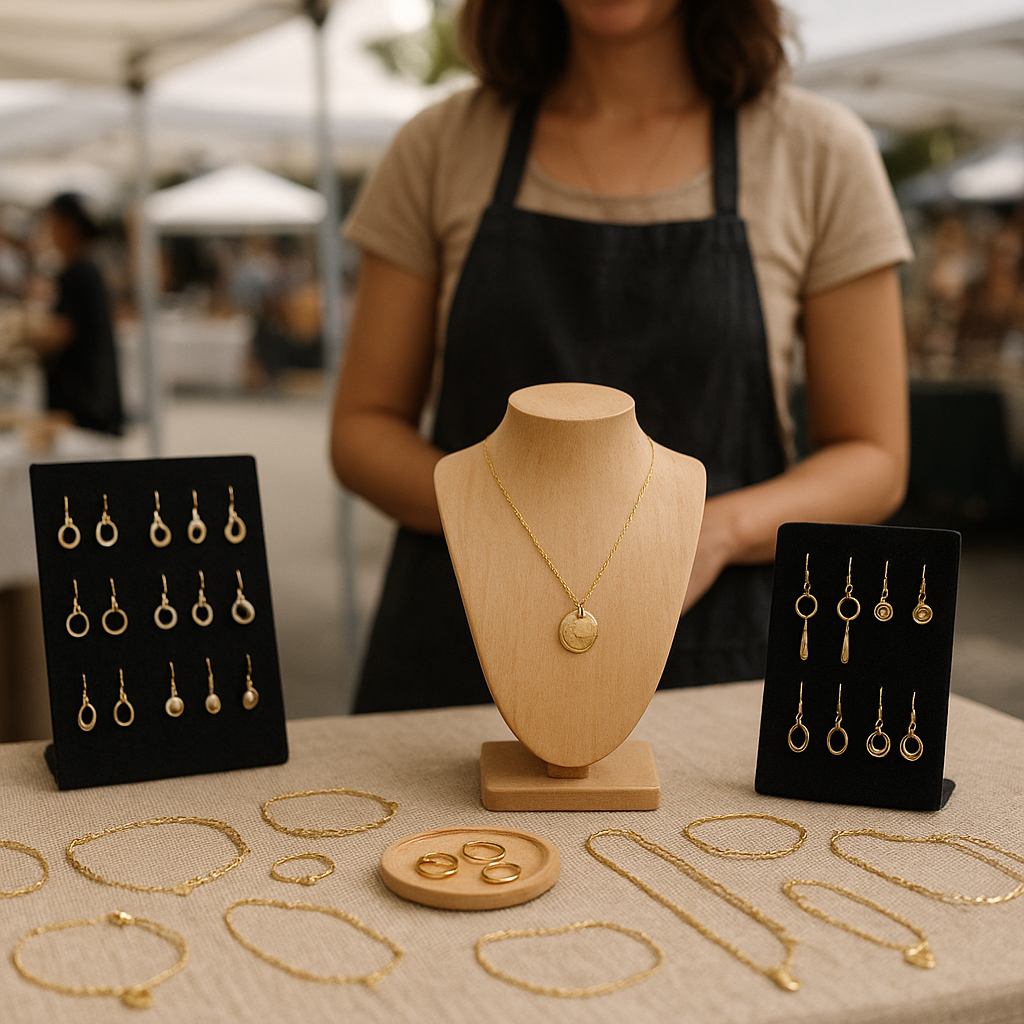
Local craft markets remain one of the most rewarding ways to sell handmade jewelry, meet collectors face to face, and build a loyal community around your work. Beyond the obvious goal of making sales, the market booth becomes a small studio, gallery, and stage where you display skill, share your process, and gather real-time feedback. Whether you’re just starting with a tray of wire-wrapped earrings or expanding a full collection of metalwork and gemstones, the guidance below will help you set up with confidence, refine your offer, and leave each market better prepared than the last.
Understand Your Market, Then Shape Your Offer
Before you pay a booth fee or pack your inventory, map the marketplace. Some events cater to tourists looking for souvenirs; others attract locals shopping for heirloom-quality pieces. A farm-and-food market will differ from a curated design fair or a holiday pop-up. Identify the types of buyers who attend, their price comfort, and their style preferences. Talk to other vendors, scroll event hashtags, and—most important—visit in person at least once.
Create a short profile of your likely customer: age range, aesthetic (minimalist, bohemian, classic), gifting needs (birthdays, anniversaries, bridesmaids), and functional priorities (hypoallergenic, lightweight, easy to clasp). Once you understand buyer patterns, refine your selection and your pitch. Carry a balanced range: entry pieces for impulse buys, mid-tier items for considered purchases, and a few showstoppers that position your line as collectible.
Curating a Cohesive Collection
Think in mini-collections rather than isolated items. Group pieces by color story, metal finish, or motif so your booth reads as a coherent brand rather than a flea-market mix. A simple palette—brass with emerald glass, sterling with pearls, or raw gemstones with oxidized copper—can bring strong visual unity. Consider seasonal needs: airy stackable bracelets for summer outdoors, statement collars for winter festivals, and evergreen gifts like birthstone necklaces year-round.
Carry sizes and closure options for comfort and accessibility, such as lever-backs for sensitive ears or magnetic clasps for those with limited dexterity. Clearly mark whether pieces are nickel-free, gold-fill, sterling, or stainless. If you solder or cut metal by hand, showcase the steps; if you knot silk or carve wax, show process photos. The more your work reveals human skill, the easier it is for buyers to understand the value and the time behind each piece.
Build a Brand Customers Remember
Consistent visuals and a personal story distinguish your table from a sea of booths. Choose a name, palette, and logotype that reflect your style and materials. Use the same color treatments across your tablecloths, signage, earring cards, social media, and thank-you notes. Aim for a simple aesthetic system that can scale—two fonts, two to three colors, and a limited set of background textures will keep decisions fast and the booth clean.
Studio narratives matter. Share how you source stones, why you prefer a particular metal, and what inspires your motifs. A small sign with a short maker bio and a couple of process images helps shoppers connect with you in seconds. When you talk about your work, center the materials, the technique, and the wearer’s experience (comfort, durability, meaning). This clarity turns casual browsers into fans who return with friends.
Within that brand, choose ten core phrases or pillars—your guideposts—that you repeat online and at the booth. For example: recycled silver; heirloom repair; pearl knotting; botanical forms; local stones; lifetime cleaning; limited editions; nickel-safe; custom engraving; gift-ready. These messages function as shorthand for your values and craft.
Amplify your reach by preparing a simple portfolio book or tablet slideshow of commissioned pieces, resizing examples, before/after repairs, and your studio space. People love seeing tools, benches, and hands at work; it reinforces craftsmanship and helps justify premium pricing without sounding salesy.
Price for Profit, Not Just Sales
Many makers underprice because they’re new, shy, or worried about competition. Instead, build a clear cost model that includes every real expense: materials, labor, booth fees, transaction costs, wear on tools, travel, packaging, and time spent on admin and design. Set an hourly labor rate you’d be proud to pay someone else, then calculate wholesale and retail formulas consistently.
Use price tiers and anchor pieces to guide the eye. For instance, feature a hero necklace at a premium price next to a mid-tier bracelet; visitors will perceive the bracelet as accessible. Use discreet but legible price tags to reduce friction—if people need to ask for prices, many won’t. Charm pricing (e.g., 48 instead of 50) can work for quick decisions, while rounded numbers feel more luxurious. Mix according to your brand voice.
Build in room for promotions without undermining your value. Instead of discounting everything at day’s end, offer bundles (earrings + necklace), bonus add-ons (free polishing cloth with purchase), or loyalty perks (buy five pairs across the season, get the sixth free). Keep one polished reason ready when someone asks for a discount: we don’t discount because each piece is made by hand, but we do offer complimentary resizing and a cleaning cloth today.
Always track your break-even point: booth fee + travel + materials and labor for expected inventory + meals. Divide by your average order value to estimate the minimum number of sales you need. If an event frequently falls short, adjust your product mix or consider dropping the show.
Finally, make pricing transparent and defensible. Provide small cards explaining “gold-filled vs. plated vs. solid,” “sterling care tips,” and “why nickel-free matters.” When people understand materials and longevity, they feel comfortable paying more.
Legal, Safety, and Quality Essentials
Check venue requirements for permits, sales tax, and insurance. Some markets require proof of liability coverage, especially if you use lighting or a canopy. If you sell to children or include small components, review safety guidelines in your region for lead content and choking hazards. For metals, use accurate hallmarks and don’t mislabel plating or fill. Keep records of supplier invoices and material specs for reference and peace of mind.
Allergy info builds trust. Label nickel-free posts, surgical steel options, and sterling or 14k gold-fill clearly. Offer free earring post swaps on the spot when possible; a small kit of posts and tools can save a sale. Include a care card with anti-tarnish guidance and storage tips. Take responsibility for quality: check clasps, solder joins, pin backs, and earring alignment before every show. Pack a small repair kit for adjustments during the day.
Design a Booth That Sells
Your table is a tiny store: every inch should be intentional. Create levels with risers, busts, and trays to avoid a flat “yard-sale” layout. Use a consistent neutral background that doesn’t fight the jewelry—linen, wood, or matte acrylic. A narrow color palette keeps the booth calm while your pieces shine. Use lighting even outdoors; clip-on LEDs with a warm temperature can make stones glow without washing out metal.
Merchandising principles help: Eye level is buy level, group by story, and avoid clutter. Create a focal point that draws attention from the aisle: a tall bust or a framed tray with your signature designs. Guide visitors clockwise with sightlines and signage. Keep mirrors clean and at multiple heights; buyers try more when they don’t have to wait for a mirror. Provide a small, hygienic way to test earrings (alcohol wipes and display-only samples, with new ear wires fitted after purchase).
Use clear, friendly signs for materials and returns, plus a small “About the Maker” card. Place your business name where it’s readable from a distance. If you use props, ensure they support your aesthetic and won’t topple in wind. Weights for your canopy and tablecloth clips are non-negotiable for outdoor events. Bring clamps, tape, cable ties, a multitool, and an extension cord; these quietly save the day.
Invest in display fixtures that travel well: stackable trays, fold-flat busts, and ring cones that match your brand’s texture. Label earring cards with your logo and website; this turns each sale into a tiny billboard the buyer takes home or gifts forward.
Make It Easy to Buy
Accept multiple payment types: cash, major cards, and mobile wallets. Test your reader before every event and bring a backup battery. Keep a cash float with plenty of fives and tens. Offer receipts via text or email to build a mailing list (with permission). Tape a small QR code to your table for instant social follows, care instructions, and your online store.
Streamline checkouts with a simple SKU system. Use a notebook or an app to log items sold, price, and notes (e.g., “asked about custom birthstone ring”). These details guide your restocking and marketing. If you hand-write gift receipts or care cards, prepare them in advance to avoid a queue.
Present thoughtful packaging that protects pieces and adds a keepsake factor. Kraft boxes or reusable pouches with a branded sticker, plus an anti-tarnish strip for silver, elevate the experience without excessive cost. Include your contact info, a care card, and a brief message of thanks. If sustainability is a core value, note eco-friendly materials on the packaging and offer optional minimal-wrap for waste reduction.
Communicate With Confidence
Practice a short, warm greeting and a one-sentence overview: “Hi! I’m Nora—I hand-fabricate sterling and freshwater pearl pieces in my home studio.” This orients shoppers without pressure. Ask open questions: “Are you looking for a gift or something for yourself?” Listen closely and suggest pieces that match their style, skin tone, and story. Emphasize comfort, durability, and meaning rather than pushing features.
When someone hesitates, offer helpful information: “These posts are surgical steel; we can swap to titanium,” or “I can adjust that chain to 18 inches right now.” Keep a small tool kit for on-the-spot alterations. Share a care tip or styling idea for every item shown. If a piece looks good on them, say why specifically—shape, color, neckline—so they feel seen and confident.
Refine your talking points around storytelling. People remember the origin of a stone, the pattern cast from a local leaf, or the hours of hammer-texturing that create a unique surface. Make the wearer the hero: “This bracelet is tough enough for everyday wear but bright enough for evening—perfect for your travel plans.” Invite them to touch textured pieces and feel the weight; tactile experiences convert browsers into buyers.
Operations: Checklists, Inventory, and Time
Markets reward preparation. Maintain a standard load-out list to reduce stress. A sample checklist:
- Inventory: organized by collection, labeled with prices and SKUs
- Displays: risers, busts, trays, ring cones, signage, mirrors, tablecloths, canopy weights
- Sales kit: card reader, phone stand, charger, power bank, cash float, receipt book, pens
- Tool kit: pliers set, spare ear wires and backs, jump rings, polishing cloth, glue, scissors
- Comfort kit: water, snacks, sunscreen, hand wipes, bandages, tape, clips, bungees
- Admin: permits, insurance proof, business cards, order forms, custom commission sheets
Plan your time. Set up early to avoid rushing and to solve layout issues. Arrange the collection, step back to view from the aisle, and adjust. Throughout the day, keep the table tidy—replace sold pieces, dust, and re-level busts. At closing, secure valuables first, then pack displays. Keep a post-event note in your phone with what worked, what didn’t, and customer questions you want to answer next time.
Marketing Before, During, and After the Market
Build anticipation. A week before the event, post a simple schedule: where you’ll be, hours, parking tips, a sneak peek of new pieces, and any show-only items. Share behind-the-scenes content: stone selection, sawing, soldering, or knotting. Encourage collectors to pre-claim pieces for pickup. On event day, post a short video of your booth and pin it in your story.
In-person, capture contact details respectfully. Offer an email sign-up with a monthly drawing for a gift card or a small pair of studs. Explain the value of joining: early access to limited drops, repair clinic dates, and special workshops. If someone admires a piece but can’t buy, hand them a card and point to your online shop. Consider a small market-only coupon valid for 48 hours post-event to reduce regret and drive quick follow-ups.
After the market, send a thank-you note to your list with a mini recap, top sellers, and restock news. Share buyer photos (with permission) and tag the market to maintain goodwill. Analyze your data: average order value, best-selling stones or colors, and peak hours. This shapes your next product drop and helps you decide which markets to repeat.
Sourcing Materials and Highlighting Sustainability
Responsible sourcing can be a powerful differentiator. If you use recycled silver or fair-mined gold, tell that story. If you salvage vintage beads or repurpose heirloom stones, share before-and-after photos and explain your process. Offer repair or redesign services to extend the life of jewelry already in the world. This approach not only supports sustainability but also deepens customer attachment to your work.
Build supplier relationships and request material specifications. Keep a binder or digital folder with certificates, metal content info, and gemstone details. These documents help answer questions at the booth and can be shown to wholesale buyers. When you can, cite locality—stones cut by a regional lapidary, wood from responsibly managed forests, enamel mixed in your studio. Specifics increase trust.
Health, Comfort, and Wearability
Comfort sells. Lightweight earrings, smooth edges, and well-balanced pendants reduce returns and increase daily wear. Test your designs: wear them all day, check for snag points and sharp edges, and evaluate how pieces lie on different necklines. Stock spare silicone backs, larger clutches for heavier posts, and extenders in silver and gold-tone. Offer quick custom fitting; making a chain one inch shorter can close a sale instantly.
If your area is humid or near the sea, expect faster tarnish on some metals. Teach customers quick care routines: dry cloth after wear, keep away from lotions, store in a sealed pouch with anti-tarnish tabs. Consider selling a small care kit; it both adds value and reinforces your reputation for quality.
Security and Professionalism at the Booth
Unfortunately, theft happens. Arrange cases so the smallest, most expensive items sit near you. Use closed-top trays and tethered displays where appropriate. Keep high-value rings and pendants in locking cases with easy access for you, not for browsers. Avoid leaving the booth unattended; build relationships with neighboring vendors to cover short breaks. At the end of the day, pack discreetly and keep cash concealed on your person before walking to your vehicle.
Professional etiquette matters. Greet neighbors, keep sound levels reasonable, and avoid blocking aisles. Clean your area before leaving. These habits earn you invitations to better shows and collaborative opportunities.
Custom Orders, Repairs, and the Path to Wholesale
Local markets are ideal for showcasing custom possibilities—birthstones, engraving, resizing, and heirloom redesigns. Display a small menu with clear starting prices and timelines. Use a structured form to record details, collect a deposit, and set delivery methods. Bring a ring sizer and a few sample chains to confirm fit on the spot.
Repairs are another avenue for revenue and relationship-building. Offer cleaning, polishing, and basic fixes for jewelry you sold, with a fair policy for third-party items. Demonstrating care after the sale can turn a one-time buyer into a lifelong collector.
When your systems are solid and your margins healthy, explore wholesale with local boutiques. Build a simple line sheet with SKU, material, sizes, and wholesale/retail prices, plus policies for lead times and consignment terms. Wholesale stabilizes cash flow but demands consistent quality and timely delivery. Price from the start to support wholesale; if your retail prices can’t sustain a typical 50% wholesale margin, rework your costs or product mix.
Measure What Matters and Iterate
Track basic KPIs: foot traffic estimates, conversion rate (purchases divided by interactions), average order value, number of repeat buyers, and top sellers by category. Note peak buying times to optimize staffing and energy. Use this data to decide which designs to expand, which to retire, and how to arrange your table. If studs far outsell dangling earrings at a family-oriented market, adjust your inventory for the venue.
Document questions customers ask most, then answer them proactively with signage or a one-minute explanation. If many ask about gold-fill durability, add a small card with a comparison chart. If people want hypoallergenic options, expand titanium or niobium. Continuous improvement is the maker’s secret advantage.
Seasonality, Gifting, and Limited Editions
Plan collections around seasons and events: pastels and florals for spring craft fairs, ocean blues and shells for summer, warm metals and garnets for fall, and sparkling stones for winter holidays. Offer giftable sets, personalized tags, and on-the-spot gift wrapping. Limited editions and numbered runs create urgency while respecting the handmade nature of your work. Announce “market-only” colorways to reward people who show up in person.
Leverage symbolic themes—birthstones, zodiac, botanicals, or local landmarks—to help shoppers connect pieces to recipient personalities. Provide a small guide that pairs stones with meanings; buyers love choosing jewelry with a story and a reason behind it.
Authenticity, Community, and the Long Game
Handmade jewelry thrives on authenticity. Your voice, your touch, your quirks—all of it forms the emotional link that mass retail cannot replicate. Share credit with your community: the lapidary who cuts your stones, the metal supplier who sources recycled wire, the market manager who organizes venues. Collaborate on trunk shows, pop-up pairings with ceramicists or textile artists, and demo days where you hammer or wire-wrap live. These events deepen your local roots and invite press coverage.
Build relationships intentionally. Remember names, celebrate customer milestones with tiny charms or coupons, and send notes when a requested stone arrives. Turn small issues into loyalty by fixing them swiftly and generously. Over time, your booth stops feeling like a stall and becomes a destination.
A Practical Pre-Show Timeline
- Four weeks out: apply, pay fees, confirm insurance, sketch booth layout, order any missing display parts.
- Two weeks out: finish new designs, photograph hero items, draft price list and signage, schedule social posts.
- One week out: tag and inventory everything, assemble care cards and gift boxes, test payment systems.
- Two days out: pack by zones (display, inventory, sales kit, tools), check weather, confirm load-in details.
- Show day: arrive early, set focal point first, adjust lighting, photograph booth for later review, and smile.
- After: reconcile sales, note bestsellers and requests, clean and repair displays, follow up with leads.
Common Pitfalls and How to Avoid Them
Too much variety: An overly broad range can confuse shoppers. Pick a point of view and edit ruthlessly. Add breadth as the brand grows, not all at once.
Hidden prices: If customers must ask, many won’t. Use tasteful tags or small tents with clear amounts.
Flimsy fixtures: Wind and wobble destroy confidence. Weight canopies, clamp tablecloths, and choose solid risers.
No call to action: Invite email sign-ups, offer a card with care tips, and point to your online store or next market date.
Neglecting follow-up: The sale ends when the customer wears the piece and receives compliments. Send care reminders, request photos, and suggest companion pieces.
The Maker’s Advantage
As a handicraft jeweler, you design more than objects—you craft experiences. Market days sharpen your instincts, test your ideas in the wild, and fund the next round of experimentation. Invest in foundation pieces that perform consistently, then play at the edges with seasonal colors, rare stones, or experimental textures. Keep notes. Keep improving. Above all, keep faith with the hand and the bench—your patient practice is the one asset no competitor can clone.
When you align clear branding, resonant storytelling, strategic pricing, thoughtful display, dedicated craftsmanship, visible sustainability, beautiful packaging, transparent authenticity, genuine relationships, and scalable wholesale, your local market booth becomes a living studio that delights customers and sustains your creative life. The path is iterative and human—just like the jewelry you make.
