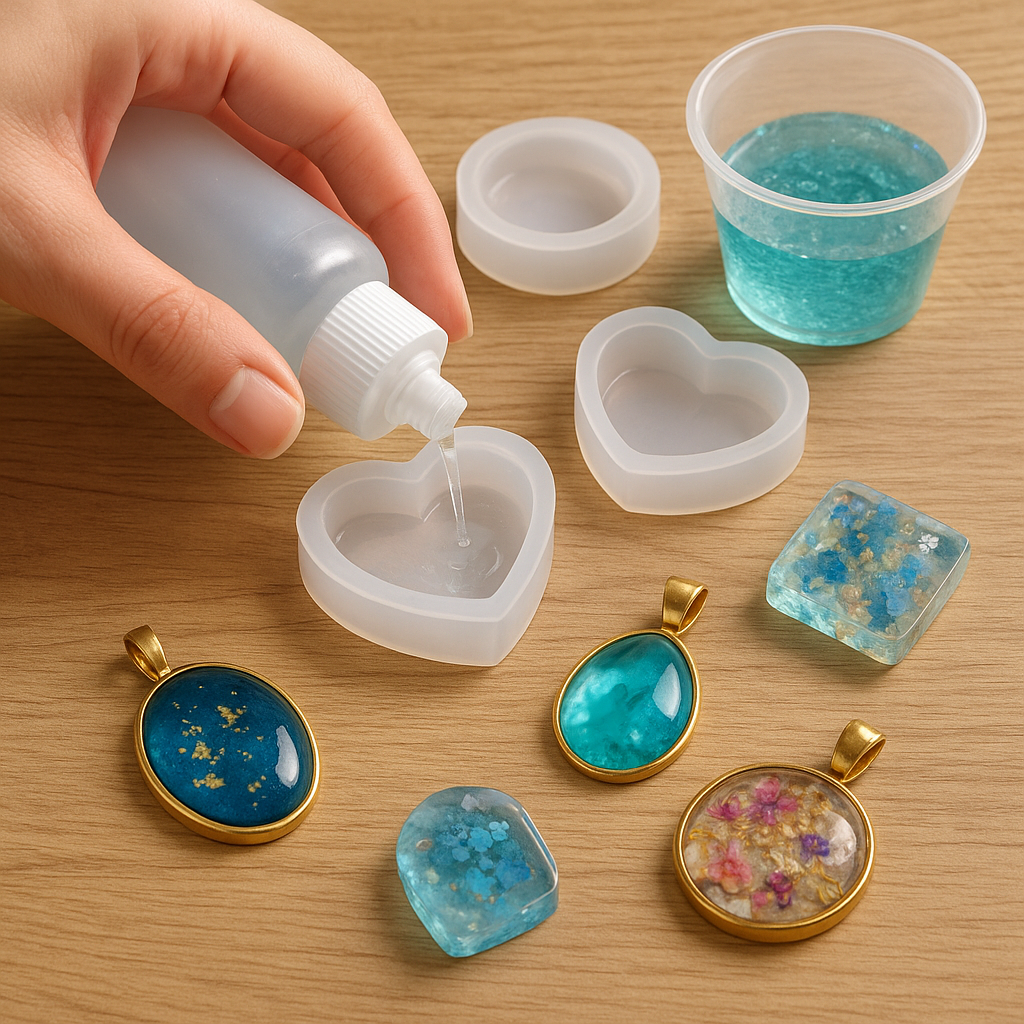
Resin jewelry offers a rare blend of engineering precision and expressive artistry. In a craft where small imperfections are magnified, the mold is the silent partner that determines clarity, accuracy, and repeatability. Whether you cast tiny cabochons, geometric studs, or complex two-part charms that entrap dried flowers and metal leaf, understanding how to choose, prepare, and use molds will save time, reduce waste, and elevate the finish from hobby-grade to heirloom quality. This guide distills best practices from studio benches and small-batch workshops so your pieces cure cleanly, release easily, and require minimal finishing afterward.
Understanding Mold Types, Surfaces, and Geometry
Silicone molds dominate resin jewelry because they can capture detail, release well, and withstand repeated cycles. Yet not all silicones or designs behave the same. Selecting the right mold and knowing its quirks will set the stage for consistent results.
Silicone chemistry and hardness
Most jewelry molds are made with room-temperature vulcanizing (RTV) silicone. Two families exist: tin-cure and platinum-cure. Platinum-cure generally produces cleaner, glossier surfaces and resists chemical swelling longer, but it is more sensitive to contaminants. Tin-cure is forgiving and often cheaper but may shrink microscopically over time and lose gloss sooner. Hardness, measured on the Shore A scale, affects handling: a soft 10A–20A silicone peels easily off delicate shapes, while a 30A–40A silicone holds geometry better and is helpful for crisp faceted forms or slim bezels. If you cast many thin, flat charms, a medium hardness paired with adequate mold wall thickness reduces deformation.
Finish transfer and optical effects
Whatever finish lives on the mold will imprint onto the casting. A high-gloss cavity yields a mirror-like surface that may need almost no sanding; a matte cavity softens reflections and hides small scratches, which can be intentional for diffuse aesthetics. If your handmade master was sanded to 2000+ grit and buffed, that quality will telegraph into every replica. Conversely, 3D-printed masters with visible layer lines will require surface prep—spray fillers, wet sanding, and a clear gloss coat—to avoid those lines fossilizing in your pieces. Think in terms of optics: light path, refraction at surfaces, and the interplay with inclusions are all dictated by cavity finish.
Cavity design, gates, and vents
Most jewelry molds are open-top cavities where resin is poured from above. For encapsulating three-dimensional objects, two-part molds are valuable; they require thoughtful registration and tight alignment to prevent seams. A modest sprue (pouring channel) and tiny vents at high points let air escape and improve fill reliability, especially with viscous resins or complex shapes like miniature bows and crowns. Thin ribs and undercuts look charming but can trap air and stress the mold during removal; design for a gentle pull direction or split the mold where necessary.
Open-backed vs. closed molds
Open-backed molds (bezels, shallow trays) invite surface techniques like doming and embedding larger inclusions with strategic placement. Closed cavity molds produce fully encapsulated forms with a 360° finish—great for transparent charms, faux gemstones, and beads. Each requires different pouring, bubble control, and post-processing methods, so choose based on your design language and production goals.
Choosing Resin and Ensuring Compatibility
Resin choice shapes working time, clarity, toughness, and sensitivity to environmental factors. Epoxy, UV-curing acrylics, and polyurethane each have a place in jewelry, and your mold usage should adapt to the chemistry at hand.
Epoxy, UV resin, and polyurethane: pros and trade-offs
Epoxy resin is popular for jewelry due to low odor, long pot life, strong adhesion to inclusions, and excellent clarity with relatively low shrinkage. It is tolerant of small pours and layering techniques. UV-curable resin offers speed; it hardens under light in minutes and is excellent for tiny elements, repairs, and domed finishes on open settings, though it can be more brittle and prone to yellowing without stabilizers. Polyurethane cures quickly and can be very tough, but it is moisture sensitive (bubbles from CO2 formation) and may benefit from dedicated mold release to prevent gradual silicone swelling. Polyester resin, while clear and polishable, is less common in jewelry due to odor and brittleness.
Cure inhibition and surface tack
While resin typically releases well from silicone, certain contaminants provoke cure inhibition or surface tack. Avoid sulfur-bearing clays, latex gloves, unsealed 3D prints, and silicone oils near platinum-cure molds when preparing masters. For epoxies, high humidity and cold conditions can leave a waxy amine blush on the surface, which wipes off with warm water and dish soap. UV resin may show oxygen-inhibited tack at the surface; a brief coat of glycerin or a clear film to exclude air during light exposure resolves this.
Pigments, inclusions, and optical loading
Colorants shift your resin’s flow and cure. Heavy mica, glitters, and dense metal flakes settle differently depending on viscosity and pot life. Alcohol inks create dynamic veils but can cause cloudiness if overused, and some colors interact with curing agents. Seal porous inclusions (dried flowers, paper, unglazed ceramic) with clear varnish or thin epoxy to minimize trapped air. Test your pigment load: too much can slow cure, reduce strength, or matte the surface.
Preparing Molds for Best Results
Flawless casts start before mixing resin. Cleanliness, surface conditioning, and thermal preparation all play crucial roles, especially when chasing glass-like clarity.
Cleaning and conditioning
Wash new molds in mild soap and water to remove release residues from manufacturing. Dry completely. For dust control, use low-tack tape to lift lint from cavities instead of rubbing with cloth, which can shed fibers. Store molds in covered containers or zip bags with a clean card to keep cavities free of debris. Avoid harsh solvents that can swell or embrittle silicone.
Release agents: when and why
Dedicated silicone-safe release agents extend mold life and improve ejectability, particularly for polyurethane and intricate shapes. Apply a fine mist, then buff lightly with a lint-free swab to avoid pooling, which can imprint on the finish. For epoxies in simple cavities, many artisans skip release to preserve maximum gloss, but a periodic light coat is beneficial when you notice sticking or to protect the mold from aggressive colorants.
Thermal tuning: preheating molds and resin
Warm molds slightly (e.g., to 25–30°C) to reduce resin thickness and encourage air to rise from crevices. Similarly, warming resin components in a water bath before mixing lowers viscosity, helping bubbles escape. Avoid overheating; high temperatures reduce working time and amplify exotherm in deep pours. Keep conditions stable: a draft-free, dust-free box or tent over your curing pieces is inexpensive insurance against contamination.
Accurate Measuring, Mixing, and Bubble Control
Precision in measurement and mixing is non-negotiable. The clearer and cleaner the mix, the fewer hours you will spend in post-processing.
Measuring by weight versus volume
Follow the manufacturer’s ratio and prefer weight for accuracy unless the resin is specified by volume only. With small jewelry pours, scale resolution matters; a 0.01 g digital scale is ideal. Decant components carefully to avoid introducing bubbles at the outset.
Mixing technique that keeps air out
Use a wide, flat stirrer to fold the resin rather than whip it. Scrape sides and bottom thoroughly for the full recommended mixing time, then pour the blend into a second clean cup and mix again for 30–60 seconds. Let the resin rest briefly to allow bubbles to rise. Target your working window so the resin fills the mold while still fluid, yet viscous enough to suspend inclusions.
Vacuum and pressure: two paths to clarity
Vacuum degassing removes dissolved air and small bubbles from mixed resin before pouring. It works well for epoxies with sufficient pot life. Pressure casting achieves a similar end by compressing bubbles so they become too small to see during cure. Many small studios use a converted paint pressure pot at about 40–60 psi. Ensure your molds and containers can tolerate pressure cycles. With either method, pre-test your resin system to find the sweet spot between clarity and working time.
Pouring Strategies for Simple and Complex Molds
Thoughtful pouring minimizes trapped air, manages heat, and places inclusions precisely where you want them to remain.
Wetting coats and capillary filling
For detailed cavities, brush a thin resin coat into all recesses before the main pour. This dislodges microbubbles from textures, letters, and fine edges. Pour slowly from a height of a few centimeters in a thin stream so resin flows beneath the surface and self-releases bubbles. Tilt the mold gently to coax air from high points toward vent paths.
Layering and embedded elements
Build multi-dimensional pieces via thin layers: pour a base, partially cure to a firm gel, place inclusions, then add more resin. This approach reduces float, keeps flowers oriented, and allows intricate compositions. Scuff fully cured layers lightly with a fine abrasive for mechanical key if you wait beyond the resin’s recoat window. Use tweezers and a toothpick to position small items; pre-wet porous inclusions to prevent bubble streams.
Temperature, additives, and bubble release
A gentle pass with a low flame or a quick spritz of 91% isopropyl alcohol can collapse surface bubbles in epoxy. Avoid open flames near UV resin and polyurethane. Anti-foam additives exist, but technique usually beats chemistry here. Keep an eye on pour thickness: deeper sections produce more heat and risk runaway exotherm, which warps molds, yellows resin, and creates voids. For deep gemstones or spheres, pour in multiple stages or use a slow hardener.
Open bezels and the art of doming
Seal the back of an open bezel with clear packing tape or specialized film, pressing firmly to avoid leaks. Pour slowly and use a syringe for precision at edges. Once filled, add micro-increments to form a controlled doming meniscus. Good dome control relies on surface tension, resin viscosity, and a steady hand. Cure on a perfectly level surface, shielding from dust with a clear cover.
Curing Conditions and Post-Cure Practices
Resin curing is a chemical reaction that continues after the piece is firm to the touch. Nailing the cure schedule preserves optical clarity and structural integrity.
Ambient control
Most epoxies prefer 22–25°C and moderate humidity. Cold slows cure and encourages amine blush; heat speeds cure but shortens pot life. Maintain a stable micro-environment using an enclosure with gentle warmth. For UV resin, light intensity, wavelength, and distance matter; rotate pieces or cure both sides for uniformity. A final post-cure—holding epoxy at 40–60°C for a few hours after demold—can improve hardness and scratch resistance.
Managing stress and shrink
Even low-shrink systems move slightly during cure. Support thin shapes on flat, non-stick boards to prevent curl, and avoid exposing freshly gelled pieces to drafts or temperature swings. For thicker castings, staged pours reduce internal stress. If you need perfectly flat backs, plan to lap them after cure or pour a thin finishing layer in the mold after an initial sand.
Demolding and First-Stage Finishing
Removing casts cleanly protects both your piece and the mold. Take your time and use a repeatable routine.
Timing the release
Demold after the piece is firm yet still slightly flexible; this sweet spot lowers risk of edge chipping and reduces stress on undercuts. If adhesion fights you, chill the mold briefly to contract the resin or use a thin plastic wedge to lift an edge before a slow peel. Good demolding habits extend mold life significantly.
Trimming, sanding, and polish development
Flush-cut nippers or a sharp craft blade remove sprues and flash. For flat backs, start wet sanding around 600–800 grit, progress through 1200–2000, and finish with micro-abrasives. Rinse thoroughly between grits to avoid cross-scratching. Hand rub with plastic compounds or use a buffing wheel at low speed to avoid heat. Final polishing reveals depth and color while keeping edges crisp. To restore a flawless top on open-backed pieces, apply a skim coat of clear resin or UV gloss after leveling.
Drilling and hardware
When drilling cured epoxy, use sharp bits, low RPMs, and minimal pressure. Back the piece with scrap acrylic to prevent blowout as the bit exits. For eye-screws, pilot the hole and wick in a drop of epoxy or CA glue to lock threads. For glue-on bails, scuff both surfaces and degrease before bonding; clamp lightly until full cure.
Caring for Molds: Longevity and Storage
Silicone molds are consumables, but thoughtful care preserves their integrity and your investment.
Cleaning between runs
Peel away residual resin with tape and wash occasionally with mild soap. Avoid metal tools that nick edges and cause future flashing. If a mold loses gloss, it’s usually from micro-scratches; reserve a few pristine molds for glossy finishes and others for matte or pigment-heavy casts.
Storage and environmental protection
Store flat, out of direct sunlight, and away from ozone sources like some air purifiers that hasten silicone degradation. Lightly dusting cavities with cosmetic-grade talc can ease next release in complex geometries, but wipe or blow out thoroughly before use. Keep incompatible chemicals—cyanoacrylate fumes, strong solvents—away from stored molds.
Managing damage
Small tears at thin edges can sometimes be repaired with silicone adhesive applied sparingly and allowed to cure fully. If a mold becomes distorted, supporting it in a rigid “jacket” or cradle can recover geometry for the remainder of its life. Retire molds that consistently print defects, and log shot counts for high-volume designs to anticipate replacements.
Advanced: Designing and Making Custom Molds
When off-the-shelf shapes can’t express your vision, build your own molds. Mastering mold-making multiplies your design vocabulary and lets you tailor the casting experience.
Master preparation
Create masters in metal, polymer clay, carved acrylic, or high-resolution 3D prints. Smooth, seal, and polish to the final finish you want in the cast. Consider draft angles to facilitate release and decide where seams will be least visible. For 3D-printed masters, cure fully, sand, and apply a clear coat to achieve gloss.
Choosing silicone and building the mold
Use platinum-cure silicone for fine detail and longevity, especially if you’ll cast urethanes. Mix and pour slowly to avoid entrained air; vacuum degas the silicone itself if possible. Build registration keys into two-part molds and plan sprues and vents near high points. Orient the part to minimize trapped air and to place the seam line where it can be sanded easily. If you need rigid support, create a mother mold in urethane or plaster.
Experimenting with textures and inlays
Press lace, fabric, or etched foils into clay masters to capture textures. You can also embed thin guides in the mold for consistent wire channels, magnets, or glow strips. Think ahead about how light will enter and reflect inside your finished piece—the mold determines those optical interfaces.
Troubleshooting: From Cloudy Casts to Warped Edges
Every studio accumulates mysteries. A structured approach reduces guesswork and returns you to reliable production quickly.
- Sticky surface or partial cure: Verify mix ratio and age of resin. Warm the environment to promote full cure. For epoxies, wash amine blush with soapy water, dry, and overcoat. If the mix was off, sand back and apply a thin, correctly mixed layer to encapsulate.
- Cloudiness and microbubbles: Dry inclusions thoroughly; avoid moist pigments with polyurethane. Pre-wet flowers with thin resin. Use pressure or vacuum for critical clarity. Avoid aggressive shaking and switch to a slower hardener for calmer bubble release.
- Uneven gloss or fisheyes: Clean molds meticulously; oils from hands or silicone spray puddles cause defects. Use minimal, well-buffed release. If fisheyes appear, scuff lightly and apply a very thin sealing coat.
- Warping: Support thin pieces on flat boards during cure; avoid drafts and temperature spikes. Cure in stages for large cross-sections.
- Seam lines and flashing: Improve mold alignment, maintain sharp edges on cavity parting lines, and use uniform clamping pressure. Trim flash promptly and sand with a rigid block to keep planes flat.
- Yellowing: Store blanks away from UV; choose resins formulated with HALS/UV stabilizers. Avoid high exotherm events and excessive heat exposure during cure.
- Mold tearing: Reduce undercuts or use softer silicone. Demold earlier while the part still flexes slightly. Apply a compatible release to reduce stress.
Workshop Workflow, Safety, and Sustainability
A tidy, ergonomic setup saves minutes on every piece and prevents costly mistakes. Segment your space into clean zones for measuring, mixing, and finishing, and assign labeled tools to each area to avoid cross-contamination. Keep swabs, syringes, micro-brushes, and toothpicks within reach for bubble chasing and inclusion placement.
Personal protective equipment and air quality
Wear nitrile gloves and eye protection when handling uncured resin and solvents. Sanding cured resin produces fine particulate; wet-sand when possible and use a particulate mask if you must dry-sand. Provide adequate studio ventilation, especially with solvents, alcohol sprays, and flame treatments. Store resins in sealed containers away from heat sources, and keep a fire extinguisher rated for chemical fires nearby.
Reducing waste and reusing offcuts
Accurate measuring minimizes leftover resin. Collect small overpours into a “chip tray” mold to create confetti you can crush and reuse as terrazzo inclusions. Cure and dispose of hardened waste responsibly; do not pour liquid resin down drains. Label material lots and dates; rotate stock and test small samples if a resin has been stored for a long time.
Design Tactics That Love Molds
Molds are more than containers—they’re creative tools that shape how light and color live in your pieces. Use multi-cavity molds to prototype colorways quickly. Stack translucent layers with subtle gradients to establish depth. Place reflective foils at slight angles so they spark as the wearer moves. Alternate matte and gloss surfaces within the same charm to guide the eye. Consider color density so inclusions remain legible and don’t sink visually. And leave negative space: a clean window often says more than a crowded tableau.
Putting It All Together: A Repeatable Casting Routine
A consistent workflow frees your attention for design while delivering professional quality:
- Plan the piece: choose mold, resin, pigments, and inclusions; estimate total volume and layer strategy.
- Prep the mold: clean, apply and buff release if needed, and pre-warm slightly.
- Measure and mix resin accurately; rest, then vacuum or pressure treat as your system allows.
- Prime detailed cavities with a thin brush coat; pour slowly; manage surface bubbles with a brief torch pass or alcohol spritz when appropriate.
- Layer inclusions thoughtfully, controlling float with partial gels, gentle heat, or thin securing coats.
- Cure under a clean cover at stable temperature; post-cure if recommended.
- Demold at the right time; trim, sand, and polish strategically; drill and add findings.
- Clean and store molds properly; log successes and issues for continuous improvement.
Mastery of molds in resin jewelry is a dialogue between material science and aesthetics. By respecting the physics—temperature, viscosity, exotherm, bubble dynamics—and refining craft decisions—release use, pour orientation, layer timing—you transform silicone cavities into instruments of expression. With practice, your workflow becomes quiet, deliberate, and repeatable, and each cast emerges with greater clarity, precision, and character. From luminous cabochons to intricate pendants that preserve tiny worlds, your molds, tuned and cherished, will carry your creative voice with confidence and grace.
