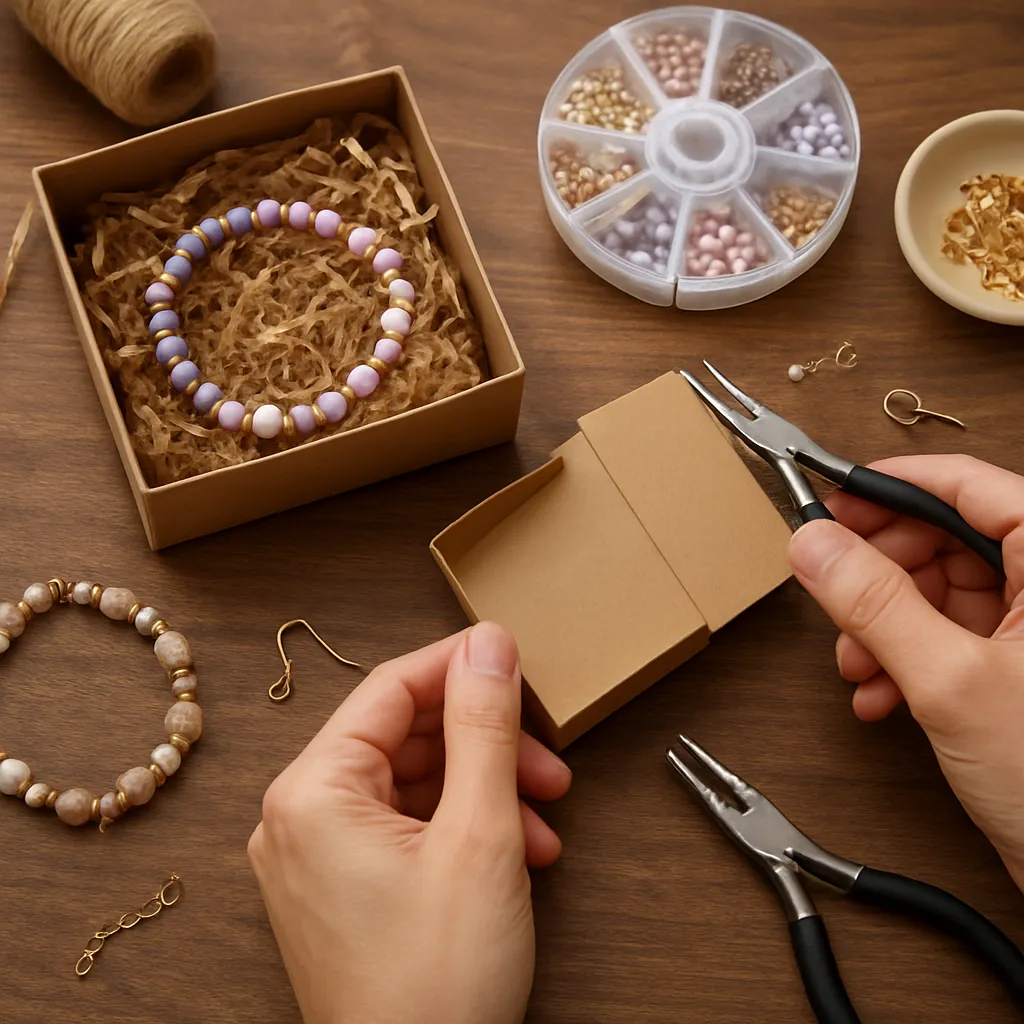
A handmade jewelry subscription box blends craft, surprise, and recurring revenue into a single, repeatable experience. Done well, it gives makers a stable income and fans a monthly ritual that deepens their connection to your work. This guide walks through the choices that matter—from concept and creative direction to pricing, packaging, operations, and growth—so you can build a sustainable service that feels personal at scale.
Understand the Model and Find Your Niche
At its core, a subscription box exchanges predictability for commitment: you promise consistent delight on a schedule, and customers pre-commit to receive it. For handmade jewelry, that promise must honor both artistry and wearability. Start by clarifying your angle, because specificity wins. A broad “jewelry box” blurs into commodity territory. A focused concept helps customers self-select and keeps production manageable.
- Material focus: sterling silver minimalism, hammered brass textures, polymer clay statements, hand-knotted pearls, silk-wrapped beads, resin botanicals, reclaimed wood and metal hybrids.
- Audience and lifestyle: office-friendly dainty pieces, bohemian festival wear, bridal and bridesmaid sets, spiritual talismans, gothic or dark academia motifs, kid-safe play sets.
- Technique spotlight: wire-wrapping masterworks, metal clay artistry, lapidary and cabochon settings, hand-sawn silhouettes, chainmaille patterns, micro-macramé.
- Ethics and provenance: recycled metals, conflict-free stones, locally sourced shells or driftwood, heirloom upcycling programs, fair-trade beads.
- Functional constraints: hypoallergenic focus (niobium, titanium, surgical steel), lightweight-only designs, nickel-free promise, tarnish-resistant plating.
Validate your niche with quick signals. Post concept sketches and polls on social channels, run a style quiz, and open a waitlist with incentive pricing for the first cohort. Offer a one-time “pilot box” to collect feedback before committing to the cadence.
Craft a Distinct Value Proposition and Box Architecture
Your value proposition is more than the items inside; it’s the feeling of discovery, the fit with personal style, and the trust that every month will be worth it. Clarify box architecture—what always stays the same and what changes.
Core vs. Flexible Elements
- Core: number of pieces (one hero + one complement), metal tone options, packaging quality, care materials, themed story card, exclusive discounts.
- Flexible: themes, colorways, gemstones, charms, seasonal motifs, collaborations with other artisans.
Build a style quiz that captures metal preference (gold tone, silver tone, mixed), piercing status, necklace length, ring size, wrist circumference, allergy concerns, and design vibe (minimal, geometric, organic, vintage). Even simple sorting rules increase perceived personalization and reduce returns.
Subscription cadence decisions matter. Monthly drives habit; bi-monthly reduces production pressure; quarterly supports larger, higher-value pieces. Consider add-on drops between boxes to boost average order value. Aim for a consistent unboxing rhythm so customers can plan their anticipation ritual.
Sourcing and Craftsmanship for Subscription-Scale Making
Handicraft thrives on material character and maker skill, but subscriptions introduce repetition and timelines. Temper art with operations without losing soul.
Material Strategy
- Metals: sterling silver, Argentium, brass, copper, gold-filled vs. plated (explain durability in your materials guide), stainless for hypoallergenic posts and chains.
- Stones and beads: audit suppliers for consistency in size, drill quality, and color batches; secure 10–20% overage to cover defects; request calibrated lots.
- Findings: choose standardized jump ring gauges, clasps, and chain types to streamline reorders; stock anti-tarnish tabs and polishing cloths.
- Consumables: adhesives (epoxy, UV resin), patinas, liver of sulfur, sealants; track open-shelf life to avoid mid-run failures.
Production Planning
- Batching: group tasks by process—cutting, filing, soldering, tumbling, patina, sealing, assembly—to reduce context switching and tool setup time.
- Work-in-progress control: use trays and labeled bins per box theme; track counts at each stage; aim for small WIP buffers to spot defects early.
- Time standards: measure average minutes per piece at pilot scale and multiply by forecast with a 15–25% buffer; adjust when complexity increases.
- Quality control: define pass/fail criteria—closed jump rings, tug-test on connections, even finishes, secure stone seats, straight ear wires, non-scratch surfaces.
- Finishing: neutralize chemicals after patinas, rinse and dry thoroughly, tumble-polish where appropriate, and use anti-tarnish storage immediately after finishing.
Wearability and Care
Include a materials and care insert. Offer hypoallergenic options prominently. Provide a quick tutorial on storage, cleaning, and avoiding lotions or chlorine. Add a tiny packet of silica gel or anti-tarnish strip to every pouch to keep items pristine during transit and first storage.
Pricing, Costs, and Unit Economics You Can Live With
Subscriptions collapse or thrive on arithmetic. Model every component before launch so you price for health, not hope. Cover materials, labor, packaging, inserts, shipping, platform fees, transaction fees, taxes, replacements, and overhead.
- Cost of goods (COGS): metals, stones, findings, consumables, gift box, tissue, pouch, care card, sticker, protective mailer.
- Labor: track making time, assembly, packing; assign a realistic hourly rate for you and any assistants.
- Fulfillment: postage, label printing, tape, scales, software subscriptions, and time.
- Marketing and support: photos, ads, samples, influencer seeding, customer service time, replacements or refunds reserve.
Draft a simple pricing formula: COGS + labor + average fulfillment cost + marketing allocation + platform fees = baseline; add a profit target to compute subscription price. Review competitors and your unique value to ensure market fit. Be transparent about the ribbon you’re tying: an exclusive handmade experience will not match mass-market price points, and that’s the point.
Set a target for gross margins—often 55–70% before ads for handmade subscriptions—to weather churn and seasonality. Consider prepaid discounts (3-, 6-, 12-month) to improve cash flow and give loyal customers a deal. Experiment with shipping included vs. separate; “free” shipping often increases conversion, but it must be baked into your pricing.
Finally, plan for breakage and replacements with a small reserve per box. A graceful replacement policy transforms a mistake into loyalty.
Packaging, Unboxing, and Logistics That Protect and Delight
Unboxing is performance art. Customers film it, share it, and rewatch it. Map the journey: protective mailer, branded box, welcoming note, tissue, pouch, anti-tarnish tab, polishing cloth, theme card, and neatly presented pieces that emerge without tangles.
- Tangle control: secure necklaces on cards, use chain extenders looped and taped, pack earrings on sturdy cards with backings attached.
- Protection: bubble pouches, corner guards for larger pieces, kraft crinkle fill, and rigid mailers for long-distance shipments.
- Scent and allergens: avoid fragrances; note any materials that may cause reactions; keep a pet-free, smoke-free studio policy clearly stated.
Weigh every packaging element to manage postage thresholds. Standardize box sizes to qualify for favorable rates. For international shipping, prepare harmonized codes for jewelry categories and clear, itemized descriptions to avoid customs delays.
Choose carriers by region and reliability. Track lost/damaged parcel rates and insure as needed. Label printing software reduces errors and speeds packing. Maintain a calendar with ship-by dates, cutoffs for address changes, and reminders for holiday mail slowdowns. Smooth logistics earn trust with every delivery.
Legal, Taxes, and Compliance for Peace of Mind
Turn obligations into routine. Register your business and obtain any required permits. Understand sales tax, VAT, or GST rules where you sell; subscription platforms often help collect and remit, but you must configure them correctly. For cross-border sales, research thresholds and duties.
- Product safety: verify nickel, lead, and cadmium limits where you sell; list materials transparently; consider hallmarking if required for precious metals in your jurisdiction.
- Labeling: include country of origin and metal fineness where applicable; use permanent labels on pouches or cards if jewelry itself is too small.
- Privacy and renewals: obtain clear consent for recurring billing; provide easy cancellation; follow data protection laws for email and customer info.
- Photography and claims: avoid misleading scale; include measurements; represent colors accurately.
Technology Stack and Operations That Scale with You
Pick a storefront platform with mature subscription tools. Many makers use Shopify with subscription apps, WooCommerce with subscription extensions, or dedicated marketplaces that handle recurring billing. Prioritize easy plan swaps, skips, and address updates; friction here directly affects retention.
- Subscription engine: supports free trials, prepaid plans, build-a-box options, and one-time add-ons.
- Inventory: track raw materials and finished units separately; set reorder points for findings and packaging supplies.
- Fulfillment tools: batch printing, pick/pack checklists, and barcode or QR for quality checks.
- Dunning and recovery: automatic payment retries, expiry reminders, and polite prompts for updated cards.
Create standard operating procedures (SOPs) for every repeatable task—theme planning, procurement, QC, packing, and replacements. SOPs let you train help as you grow without surrendering your standards.
Pre-Launch: Testing, Validation, and Photography
Run a 4–8 week pre-launch that builds credibility and collects real demand data. Offer a pilot box to 25–100 early adopters at a founding price with feedback access.
- Photography: shoot clean product images on neutral backgrounds and lifestyle shots on real people with varied skin tones; include macro details and scale references.
- Video: film unboxings, assembly peeks, and behind-the-scenes finishing; short vertical clips perform well on social platforms.
- Copy: write clear benefits, what’s included, shipping cadence, and satisfaction promises; add a materials and care FAQ.
- Waitlist: collect emails and style preferences; send a countdown with reveals of theme hints to stir anticipation.
Use surveys post-pilot to refine metal options, clasp preferences, and ideal cadence. Often, small adjustments to chain length or clasp type eliminate a disproportionate share of returns.
Marketing, Community, and the Art of Story
Subscriptions are relationship businesses. Your narrative—the why and how of your making—turns customers into advocates. Invest in your brand voice: warm, precise, and human. Share the constraints you embrace (ethics, quality, slow-making) and the liberties you take (color, seasonal whimsy, texture).
- Email: onboard sequences that explain materials, care, and what to expect; monthly reveals; last-call reminders before renewal cutoff; renewal-day surprises.
- Social: consistent theme teases, studio diaries, and customer features; encourage user-generated content with a branded hashtag.
- Influencers: prefer micro-creators whose audiences match your aesthetic; seed boxes early and give unique codes.
- Events: pop-ups and craft fairs with live sign-ups; bring a sample “timeline board” showing concept to finished piece.
- Referrals: reward word-of-mouth with month credits or limited-edition charms.
Make every box a story worth telling. Weave theme cards that teach a texture, stone lore, or origin tale. This is authentic storytelling, not filler, and it compounds loyalty. Anchor a members-only space—newsletter, chat group, or private social community—so customers bond around style and process. When they feel part of your community, churn falls and advocacy rises.
Member Experience and Retention Mechanics
Give people easy ways to stay. Provide “skip” and “swap metal” options self-serve. Offer a “pause” for up to two cycles. Celebrate milestones with anniversary gifts. Allow plan changes from monthly to quarterly in a click. Personal touches—handwritten notes, first-name greetings on inserts—carry disproportionate emotional weight in a handmade context.
- Guarantee and repairs: 60–90 day craftsmanship warranty; simple, cheerful process for fixes; prepaid return labels for faulty items.
- Fit issues: a no-fuss alteration program for chain length or ring resize where feasible; guidance on sizing in onboarding emails.
- Add-ons: matching pieces or one-time seasonal gifts; pre-launch to subscribers first.
- Feedback loops: one-question post-delivery surveys; act on data quickly and tell members what changed because of their input.
Track which features correlate with people staying: unboxing joy, perceived personalization, and dependable delivery windows. Then invest there. Loyal subscribers are your best marketers.
Scaling Production Without Losing Craft
Growth is a capacity puzzle. Forecast with a rolling three-month calendar: theme sketches, supplier orders, prototyping, photography, production, and ship week. Lock designs early enough to source comfortably; keep one “backup design” ready if materials arrive off-spec.
- Assistants: train help for low-risk tasks first—cutting chain lengths, pre-forming ear wires, packing; reserve soldering or stone-setting for yourself until you have clear SOPs.
- Tooling: templates and jigs ensure consistency; invest in a second tumbler or torch for parallel steps.
- Suppliers: secure alternate vendors for critical findings; keep a reorder matrix with lead times.
- Cash flow: use prepaid plans and early-bird deposits to finance materials; negotiate small bulk discounts as volumes grow.
As your audience grows, preserve the handmade essence with transparent process notes and limited-edition drops. Scarcity is honest when it arises from authentic making limits.
Theme and Calendar Design
Plan a year’s arc that balances novelty and cohesion. Build palettes for seasons, but avoid clichés by exploring texture and form beyond color. Consider cultural moments and regional holidays without appropriating motifs outside your lived experience—research and collaboration are your allies.
- Winter: luminous finishes, moonstone and quartz, hammered “icy” textures, layered minimalism.
- Spring: botanical impressions in metal clay, pastel enamel touches, freshwater pearls.
- Summer: sea glass tones, knotted cords, lightweight dangles resistant to sunscreen and heat.
- Autumn: warm patinas, brass and copper contrasts, geometric leaves, smoky quartz.
Create mood boards and samples 90 days out, finalize 60 days out, and photograph at least 45 days before ship week. Tease hints, not full reveals, to maintain surprise while reducing anxiety for those with specific preferences.
Data, Metrics, and Continuous Improvement
What improves is what you measure. Track monthly recurring revenue (MRR), churn rate (voluntary and involuntary), average order value, first-month retention, prepaid share, refund rate, fulfillment time, and damage/loss rate. Keep a material scrap rate metric to recover costs and refine cuts.
- Churn diagnosis: categorize cancel reasons—style mismatch, budget, too much jewelry, shipping issues—and attack the top two with design tweaks or policy changes.
- Price tests: run A/B on shipping-included vs. separate, founding discounts, and prepaid incentives.
- Onboarding: test the order of quiz questions; small changes reduce drop-off and increase completed profiles.
- Packaging weight: micro-optimizations can move you under postal thresholds, saving dollars at scale.
Watch payback period on acquisition spend. If ad-driven signups take too long to recoup, tilt toward referral, content, and partnerships. True profitability favors patient channels and strong lifetime value.
Common Pitfalls and How to Avoid Them
- Over-designing early months: save complex techniques for when operations stabilize; simple can still be special.
- Under-ordering findings: small parts can halt production; maintain a safety stock with reorder triggers.
- Ignoring allergies: clearly mark materials and provide hypoallergenic alternatives in the quiz.
- Shipping guesswork: test-pack to get real weights and dimensions; negotiate rates once volumes justify it.
- Silent delays: if suppliers slip, communicate early with new ship dates and a bonus charm or coupon.
- One-size content: not every member wants long lore; offer a quick-read card with a QR to a deeper story for those who do.
First 90-Day Launch Timeline
- Weeks 1–2: niche decision, value proposition, name, visual identity draft, platform research, supplier outreach.
- Weeks 3–4: prototype first three boxes, pilot photography, cost model, pricing, waitlist landing page and quiz.
- Weeks 5–6: pilot sales to early adopters, collect fit and material feedback, refine packaging, finalize subscription app setup.
- Weeks 7–8: order materials for Month 1 at +15% buffer, lock-in theme calendar, launch content series (studio diaries, reveals).
- Weeks 9–10: open general preorders, influencer seeding, press outreach, finalize SOPs for packing and QC.
- Weeks 11–12: produce Month 1, photograph Month 2, finalize shipping labels and batch tools, publish clear renewal and cutoff dates, ship with fanfare.
Sustainability and Responsibility in Jewelry Subscriptions
Consider the full lifecycle of each piece and its packaging. Source recycled silver and gold, choose durable gold-filled over short-lived plating where budget allows, and buy stones from transparent vendors. Use recyclable or compostable mailers and paper-based void fill. Offer a repair or refresh program and accept returns for component recycling. Clear sustainability choices resonate with conscious buyers and reduce long-term waste.
Partnerships and Collaborations
Collab months keep energy high and bring in new audiences. Work with complementary artisans—ceramicists for pendants, textile artists for pouches, or illustrators for theme cards. Align on timelines, quantities, and quality standards. Co-brand thoughtfully so your identity remains clear while celebrating your partner’s craft.
When and How to Raise Prices
Costs change—metals spike, shipping creeps. Announce adjustments with respect and transparency. Give existing members advance notice and a chance to lock a legacy rate with prepayment. Sweeten the transition with an added value in the next box: a polishing cloth upgrade, an extender chain, or a small limited charm. Price increases tied to clear improvements protect trust and long-term retention.
Why Handmade Subscriptions Work
Subscribers aren’t merely buying objects; they are buying participation in a living studio, a rhythm of ideas arriving at their door. In a world of algorithms, a handcrafted piece carries traceable intention—hammer marks, stone choices, slight variations that prove a human made this for you. If your curation is thoughtful, your systems steady, and your promises kept, a handmade jewelry subscription can become a signature offering that anchors your practice.
Putting It All Together
Build from clarity: know your niche, cost structure, and voice. Architect a box that guarantees delight through reliable elements and surprising flourishes. Invest early in photography, packaging, and member tools that eliminate friction. Iterate relentlessly with data and dialogue. As you scale, keep the hand of the maker visible and your commitments simple and sacred. Do this, and you’ll compound trust, deepen community, and transform recurring deliveries into recurring joy—and sustainable profitability for the studio you’re building.
