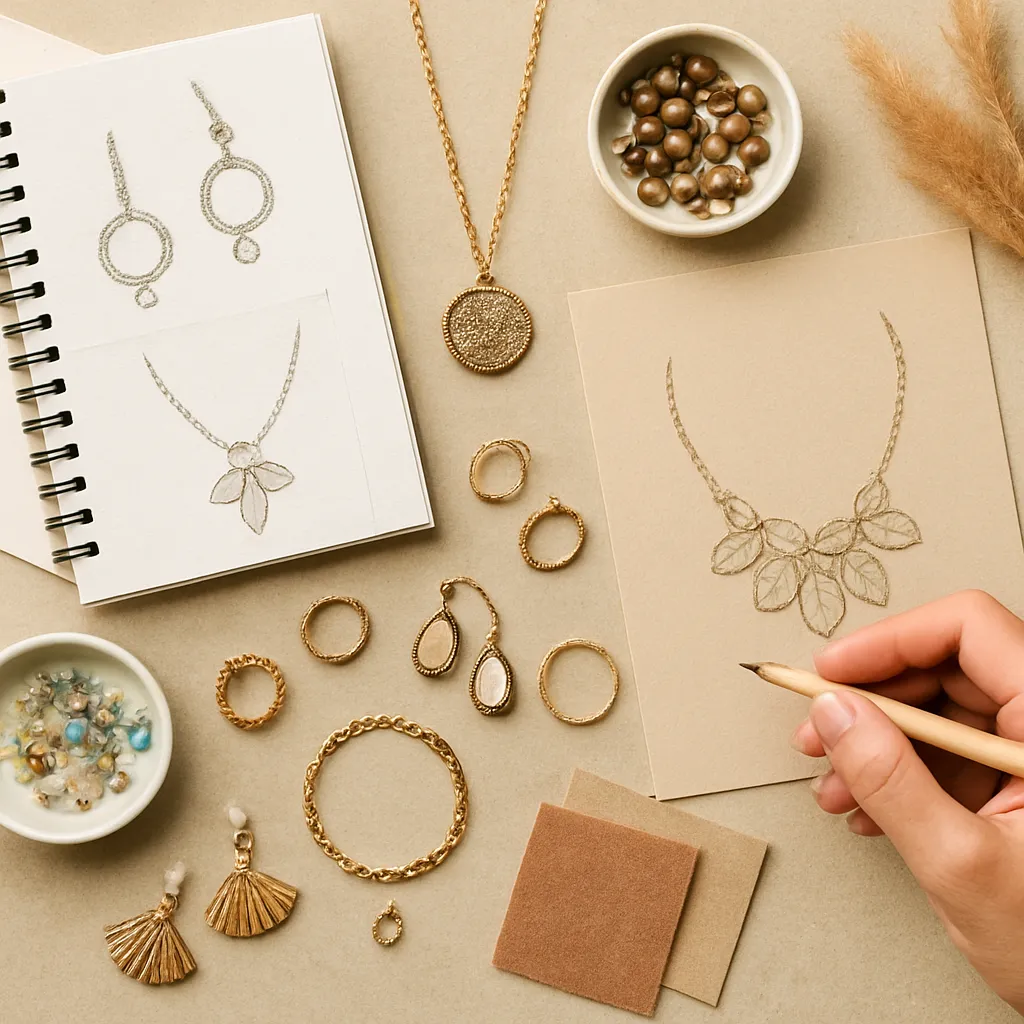
Seasonal jewelry collections are a powerful way for a craftsperson to connect technique, material, and meaning with the rhythms of the year. Rather than producing one-off pieces, a seasonal approach unites color, texture, and motif into a coherent story that meets customers where they are: the fabrics they wear, the holidays they celebrate, the light outside their windows. This article unpacks how to plan, design, make, and launch seasonal collections rooted in handmade methods—balancing artistic intuition with structure so each season feels fresh yet unmistakably yours.
Understanding the pull of the seasons in jewelry
The season guides more than palette; it shapes comfort, function, and use. In warm months, people reach for lighter forms, luminous surfaces, and pieces that can withstand sunscreen, salt, and sweat. In cold months, jewelry must navigate scarves, knitwear, gloves, and static. Transitional seasons invite movement, layered silhouettes, and mixed finishes. A seasonal framework also aligns to cultural markers—wedding season, graduation, festivals, gifting holidays, and lunar new year—each with its own symbols and purchasing patterns.
From a craft perspective, the year’s rhythm can support your studio capacity. Winter can be for design research and sample development, spring for production and outdoor markets, summer for experimental small-batch drops, and autumn for wholesale shows and gift collections. This cyclical thinking opens space to iterate without burning out.
Research, filtering trends, and building themes
Seasonal concepts start with looking and listening. Gather visual research—street style, flora, stones at your supplier, museum visits, fabric swatches, and your own sketchbook. Choose a few signals to amplify and many to discard. Craft thrives when trends are filtered through personal sensibility, not copied wholesale.
- Study clothing silhouettes: high necklines demand longer chains or ear studs; off-shoulder tops pair with bold collars or shoulder-grazing earrings.
- Watch color shifts: retailers release seasonal fabric palettes months in advance; align or intentionally contrast.
- Map cultural calendars: when will your audience gift, travel, or attend ceremonies?
- Create a mood board with 15–25 images and 3–5 texture samples, then write a 2–3 sentence summary that becomes your season’s North Star.
When the board feels cohesive, name the capsule: Tidepool, Orchard, Aurora, Hearth. A strong name simplifies copywriting, packaging, and merchandising later. This is also a good moment to define your brand lexicon—verbs, adjectives, and motifs that repeat season to season so the line feels continuous even as themes change. Let your theme be a promise you can keep with handmade methods, not a wishlist for techniques you do not enjoy or cannot produce at scale.
Building a cohesive capsule collection
Think like a composer: recurring motifs, key changes, and a memorable chorus. A tight capsule reduces decision fatigue for buyers and makes production manageable for a small studio. Aim for a clear hierarchy:
- Hero pieces (1–3): statement necklaces, cuffs, or chandelier earrings that embody the theme and attract attention.
- Bridge pieces (4–6): medium-scale items that echo hero details at approachable price points.
- Essentials (6–12): studs, pendants, simple rings, and bracelets that carry the DNA of the theme in everyday form.
- Limited editions (2–4): small runs with rare stones or labor-intensive techniques for collectors.
Carry forward one signature from past capsules—an ear wire shape, a forged texture, a clasp silhouette—so loyal customers see continuity. Design for layering and modular swaps: extension chains, detachable charms, or reversible surfaces multiply options without increasing SKUs dramatically.
Material, color, and texture by season
Materials telegraph season immediately. Think in families—metal, fiber, clay, glass, wood—and in tactile contrasts that feel right against skin and fabric.
- Spring: semimatte metals, pastel enamels, seed beads, silk cords, floral glass lampwork, hand-carved bone or tagua. Opt for light movement and fine textures that catch soft light.
- Summer: polished brass or gold-tone, abalone, shells, resin in ocean hues, waterproof cords, anodized aluminum, wood sealed with plant oils. Prioritize durability and lightness.
- Autumn: patinated copper, oxidized silver, horn, leather, gemstones with warm inclusions (carnelian, smoky quartz), ceramic beads with earthy glazes. Invite warmth and tactility.
- Winter: high-shine silver, blackened steel, hematite, pearls, faceted crystals, felt or velvet ribbon backings for comfort against wool. Embrace sparkle or stark minimalism for festive looks.
Choose a palette with intention: two main hues, one accent, one neutral, and a metallic. Swatch on white and on black to test visibility, then place against cloth to simulate wear. Texture matters: hammered planes for shimmer, satin finishes for quiet luxury, rough-cut stones for organic depth. Above all, let your materials serve comfort and longevity, not just color goals.
Technique choices that suit the season
Different making methods excel at different times of year. Match technique to climate, studio time, and market appetite.
- Wirework and cold connections: Quick to iterate, easy to scale, forgiving across temperature changes. Ideal for spring/summer when you want airy volume without weight.
- Enameling: Seasonal color control; test for chipping with scarf friction in winter. Use cloisonné for fine seasonal motifs like snowflakes or leaves.
- Textile jewelry: Macramé, kumihimo, or crochet excel in summer markets; prewash and pre-stretch cords to prevent sagging in humidity.
- Metal forging: Autumn/winter statement cuffs and collars; plan annealing and finishing times in your calendar because polishing season can bottleneck production.
- Resin and polymer clay: Vibrant palettes for summer; cure-test pieces in higher ambient temperatures and stabilize with UV topcoats.
- Stone setting: Keep prongs low for scarf season; consider bezel settings that won’t snag knitwear.
- Lampwork and glass fusing: Spring florals, winter icicles; cold-weather fragility requires protective packaging and clear care instructions.
Let your choice of method echo your theme while respecting studio constraints and customer comfort.
Prototyping, fit, and wearability
Good design begins with rigorous prototyping. Build test pieces in base metals or scrap clay to confirm scale, balance, and closure function. Wear samples for a full day doing typical tasks, including putting on a coat or scarf.
- Weight: Keep earrings under 7–9 grams each for all-day wear; use larger backs or threader styles for balance.
- Length: Seasonal necklines change; offer chain options (14, 16, 18, 20, 24 inches) and extenders.
- Closures: Lobster clasps with larger rings for gloved hands in winter; lever-backs for security at festivals in summer.
- Allergies: Hypoallergenic hooks and posts; test patinas and sealants for skin transfer with sunscreen and sweat.
- Durability: Ultrasound test of joints if possible; pull tests for cold connections; snag tests with knit swatches.
Document prototypes with measurements, process notes, and bill of materials so you can reproduce consistently as orders come in.
Sourcing and ethical decisions
Seasonal drops can magnify your values. Consider local suppliers, recycled metals, reclaimed beads, and transparent gemstone sourcing. Offcuts become charms; misfired enamel becomes mosaic inlay. If you vend at markets, assess packaging footprint: reusable tins, compostable pouches, and repair incentives. This is the heart of sustainability: less waste, longer product life, and honest storytelling around origin and care.
Build relationships with small-scale miners, lapidaries, and family-run foundries. Buying slightly more of a seasonal component early—like a specific chain or cord color—prevents panic during production, but forecast thoughtfully to avoid excess stock. If an input is risky, designate affected styles as limited edition with clear numbering.
Production planning and studio workflow
A stable production calendar reduces chaos. Work backward from your intended launch date, mapping deadlines for prototypes, photography, wholesale line sheets, and packaging arrival. A simple schedule could look like this:
- T-16 weeks: Theme, palette, early sourcing.
- T-12 weeks: Prototypes finalized; wear tests.
- T-10 weeks: Photography and lookbook; wholesale outreach.
- T-8 weeks: Begin batch production; packaging ordered.
- T-4 weeks: Quality control; inventory counts; marketing content queued.
- T-0: Launch, live events, influencer seeding.
Batch tasks: cut all chains in one session, solder identical joints consecutively, tumble-polish by metal type, and finish assembly in a clean zone. Protect a day per week for restocking evergreen pieces. Clear kanban boards, labeled trays, and prep lists keep workflow smooth in the rush leading to launch.
Merchandising, pricing, and assortment depth
Thoughtful merchandising amplifies your design work. Group pieces by theme story and by outfit use-case: “light layers,” “gifts under $50,” “statement sets.” Show how items pair and layer. For market displays, stagger heights, use fabric swatches that echo the season, and feature photographs of the pieces worn with seasonal clothing.
Build a price ladder to welcome a range of customers: entry (studs, simple pendants), middle (beaded chains, medium hoops), top (statement cuffs, gemstone necklaces). Mind your margins; track time per unit rigorously. Seasonal launches can seduce artists into undercharging; protect your studio by reviewing costs before unveiling. Strategic pricing also enables wholesale without compromising quality: aim for a consistent keystone multiple and reserve a few direct-to-consumer exclusives for storytelling impact.
Visual language, naming, and storytelling
Names, copy, and images bind the capsule into an experience. Seasonal storytelling should be specific: the way late-summer light hits brass, the grit of a windswept shore embedded in cast textures, the hush of winter mornings mirrored in satin finishes. Write short product narratives that mention material origin, technique, and care, avoiding clichés while anchoring emotion to fact.
Photography guides the buyer’s eye: shoot macro textures, silhouette shots, and lifestyle images on seasonal fabrics. Consider gentle motion in video—earrings swaying, chain catching light—so online buyers can sense scale and movement. A compact lookbook or carousel post with names, prices, and styling tips simplifies shopping and wholesale conversations, strengthening your branding without big budgets.
Launch strategy and sales channels
Map your marketing arc like a tide: tease, reveal, launch, sustain. Offer studio glimpses during prototyping, share color studies, then reveal hero pieces. Preorders for limited items build momentum and inform final production numbers. For markets and fairs, design signage that tells the seasonal story in a sentence; train helpers to point shoppers from hero items to coordinating essentials.
- Email: Send a palette preview, a behind-the-scenes note, and a launch announcement with clear shop links.
- Social: Post try-on videos, care tips, and customer polls (“Which chain length?”) to foster engagement.
- Wholesale: Provide line sheets, lead times, and order minimums. Offer a curated starter set aligned to the retailer’s clientele.
- Pop-ups: Co-host with apparel or floral designers whose season complements yours.
Track zone differences: southern hemisphere seasons, tropical climates, and diaspora holidays may invite offset drops or evergreen offerings alongside seasonal capsules.
Inventory, cash flow, and risk
Small studios live or die by inventory decisions. Set reorder points for components and finished goods based on sell-through velocity. Use limited colorways to manage material risk. Bundle slower items with bestsellers as sets, or refresh with a new chain or charm to revive interest mid-season. Reserve contingency budget for restocking unexpected heroes.
Leftover stock is not failure; it’s seed for future experiments. Retire pieces gracefully with a “vaulting” narrative or rework components into new designs. Offer repairs and refresh services that extend product life while strengthening customer relationships.
Packaging, care, and longevity
Seasonal packaging does not need to be wasteful. A ribbon color change, a seasonal postcard, or a fabric swatch accent can cue the theme. Include care cards tailored to season: sunscreen and pool tips for summer; scarf-snag prevention and anti-tarnish storage for winter. Provide rubber earring backs for windy outdoor events and recommend gentle soaps for cleaning textiles or resin. The goal is to support craftsmanship that endures beyond the season.
Measuring performance and learning loops
After launch, collect data. Which SKUs sold out? Which were carted but abandoned? Where did customers discover you? Pair numbers with qualitative feedback: fit notes, care concerns, and color preferences. Archive what you learned under the capsule’s theme name so next year’s equivalent season starts smarter.
- KPIs: sell-through percentage in 30 and 60 days, average order value, attachment rate of add-ons (extenders, care kits).
- Operational: defect rate, on-time shipping, time-on-bench per SKU.
- Marketing: email click-throughs, video watch time, organic saves and shares.
Use insights to refine components you repeat across seasons—clasps, ear wires, chain gauges—so evergreen elements get stronger over time.
Craft-specific considerations and seasonal technique notes
Metalworkers
Balance polish and patina to suit the light. Summer bright polish gleams; winter satin resists glove scuffs. Consider cast elements for repeatability of complex shapes; keep solder joints away from edges that rub against fabric.
Beaders and stringers
Pre-stretch cord and test crimp integrity in heat and humidity. Autumn invites matte gemstone rounds with micro-faceted accents; summer loves translucent Czech glass and shell. Offer adjustable knots for easy sizing at markets.
Textile and fiber jewelers
Seal knots discreetly, avoid dark dyes that might transfer with sweat, and back large fiber pieces with soft suede for comfort. Winter headbands with bead embroidery can complement statement earrings for cold-weather outfits.
Resin and polymer artists
Control bubbles with warm resin in cool months; avoid over-softening in heat. Seasonal inclusions—botanical fragments in spring, metallic flakes in winter—benefit from UV-stable additives and clear care notes.
Wood and ceramic makers
Seal wood with hardwax oils; test against sunscreen. Ceramic glazes that craze intentionally can evoke frost motifs; ensure smooth edges and sturdy findings to handle thick scarves.
Customer experience and accessibility
Offer adjustable lengths and extenders with lobster or magnetic closures for dexterity challenges, especially in cold seasons when fingers are stiff. Provide clear weight info and allergen notes on product pages and tags. In photos, include scale references (e.g., coin or ruler) and shots on different skin tones and body types. Accessibility is good design—and a competitive advantage.
International seasons and cultural sensitivity
Not all customers share the same calendar. In tropical climates, “rainy” versus “dry” may matter more than temperature swings. In the southern hemisphere, a December launch may emphasize beach motifs over snow. Map festivals and ceremonies important to your audience and collaborate with community members when drawing on cultural symbols. This broad perspective deepens your seasonality playbook and opens new markets.
Evergreen cores vs. seasonal spice
Keep an evergreen core line that accounts for a reliable slice of your revenue—simple hoops, signature chains, staple rings. Then layer seasonal “spice” pieces on top. This mix cushions risk, ensures restocking efficiencies, and gives returning customers a stable anchor. Document which elements bridge well between seasons: a clasp silhouette, a hammered texture, a gemstone cut.
Collaboration and cross-pollination
Seasonal design is fertile ground for collaboration. Partner with a ceramicist for custom beads, a weaver for cords, or a local florist for photoshoot styling. Co-designing a small capsule—say, 5–8 SKUs—can expand your audience and teach new techniques. Agree on timelines, rights, and pricing splits beforehand to protect both parties.
From idea to line sheet: practical documentation
Translate your creative work into tools that buyers and helpers can use. A tidy line sheet includes:
- SKU, name, and short description anchored to the theme.
- Retail and wholesale prices, lead time, and minimums.
- Materials (metals, stones, cords) and finish notes.
- Dimensions, weight, chain lengths, and closure types.
- High-res silhouette and lifestyle images.
Create build cards for your bench: step-by-step process, jigs needed, tumbler media, polishing compounds, and QA checkpoints. These files cut decision time and keep quality consistent when fatigue sets in close to launch.
Seasonal sets, gifting, and personalization
Offer curated sets with a small discount: studs + pendant, bracelet + extender, or earrings + hairpin. Include a care kit or polishing cloth in winter. Personalization—initial charms, birthstones, micro-engraving—adds emotional weight without reengineering a piece. Modular charm systems let customers refresh jewelry each season without buying a whole new item, a strategy that blends merchandising sense with customer delight.
Quality control and testing under real conditions
Before launch, try to simulate wear: spritz with perfume, rub against wool, dip in saltwater (for appropriate materials), and tug gently on closures. Photograph the same piece before and after to ensure finishes hold. Keep a repair plan ready; a confident repair policy communicates respect for your craftsmanship and reduces buyer hesitation.
Case-study blueprints you can adapt
Spring: Orchard Capsule
Palette: pistachio, blush, cream, warm gold. Techniques: wire-formed blossoms, pastel enamel dots, silk cord. Products: blossom studs, branch pendant, seed-pearl chain, detachable leaf charms. Merchandising: linen display, apple-blossom postcard, styling with soft cardigans.
Summer: Tidal Capsule
Palette: sea glass, indigo, sand, bright brass. Techniques: hammered ripples, resin with shell inclusions, braided waterproof cord. Products: wave cuffs, shell-drop hoops, knot bracelets with sliders. Care: sunscreen-safe notes, saltwater rinse guidance.
Autumn: Hearth Capsule
Palette: rust, moss, charcoal, oxidized copper. Techniques: patina layers, leather lacing, matte gemstones. Products: stacking rings with warm cabochons, textured discs, toggle-clasp chokers. Merchandising: wool swatches, bookish props, candlelit photography.
Winter: Aurora Capsule
Palette: silver, black, ice blue, pearl. Techniques: high-polish silver, hematite faceting, velvet ribbon ties. Products: luminous studs, bar necklaces that sit above turtlenecks, magnetic clasps for glove season. Photography: cool backdrops, sparkle close-ups.
Digital presence and content cadence
Align your content calendar with your production calendar. Share behind-the-scenes early, reveal names and palettes midstream, and focus on try-ons and gift guides near launch. Pin seasonal highlights on your shop front and socials so latecomers see the capsule first. Write a succinct FAQ covering sizing, shipping cutoffs, and care tips. When you can, nurture a blog or journal entry per capsule that archives inspiration and process, turning your storytelling into a living library.
Health, safety, and studio ergonomics
Seasonal surges can strain bodies. Set up ergonomic benches, schedule stretching breaks, and rotate tasks to reduce repetitive stress. Maintain ventilation, especially for enamel, resin, and patina work. A healthier maker sustains better output and steadier quality across the year.
Wholesale readiness and retailer alignment
If you sell to shops, present seasonal capsules 3–6 months ahead. Bring samples, provide clear terms, and propose delivery windows aligned to their sales cycles. Offer display suggestions and provide signage or small lookbooks that tell the theme succinctly. Follow up with reorder reminders as sell-through picks up. Retailers value punctuality, reliability, and clear communication—core to strong branding in the trade.
Pricing integrity and perceived value
Every seasonal change tempts scope creep—more details, more labor. Safeguard margin by designing complexity where it counts and simplifying elsewhere. Use strategic accents—a special clasp, a foundry mark, a hallmark—to lift perceived value. Share process snippets so customers understand why a piece costs what it does; transparent pricing paired with evidence builds trust.
Sustainability as a creative constraint
Treat limits as muses: one stone size, one chain style, one color family per capsule. Constraints reduce waste and tighten design cohesion. Offer repairs, take-back credits for broken items, and seasonal refresh services (restringing, repolishing). This approach deepens your sustainability commitment and invites repeat engagement that outlives a single season.
Closing perspective: a rhythm you can keep
Seasonal jewelry design turns the calendar into a creative partner. When you blend research with intuition, edit ruthlessly, test for comfort, and plan your launch arc, each capsule becomes a chapter in a larger narrative. Keep an evergreen backbone, let seasonal accents sing, and let data and dialogue refine the next drop. With steady attention to seasonality, thoughtful materials, disciplined workflow, and resonant storytelling, your handmade line can evolve confidently year after year—fresh, coherent, and unmistakably yours.
