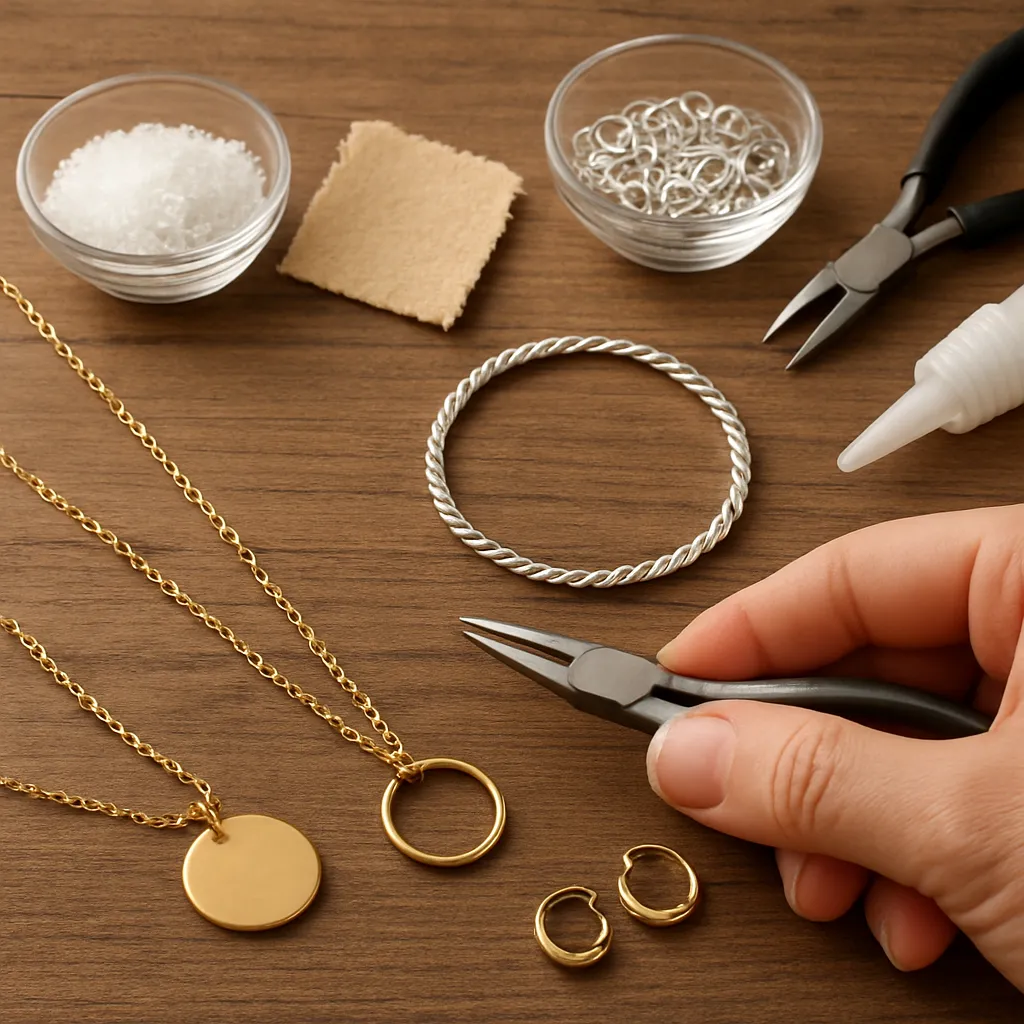
Handcrafted jewelry carries the warmth of the maker’s hands, the small asymmetries of the bench, and the quiet promise of longevity. Yet even the most thoughtfully made piece can lose its luster if the surface chemistry is not considered from the very first sketch. This guide gathers practical, workshop-tested strategies to help you design, fabricate, finish, and care for pieces that keep their glow far longer. From alloy selection and finishing workflows to coatings, packaging, and client education, you’ll find a cohesive approach that respects both artisan methods and material science—so your creations stay radiant in the box, at the market table, and on the body.
The science behind lasting shine
At its core, tarnish is a chemical reaction at the surface of a metal. It occurs when reactive gases, moisture, salts, and skin acids meet a metal atom and form compounds that scatter light. In silver, sulfur-bearing compounds in the air (and from fabrics, haircare products, and rubber) convert the surface to silver sulfide—a darkened film. In copper, oxygen and moisture build oxides and carbonates that shift from reddish-brown to green. Even noble metals like gold can dull if alloys introduce more reactive metals, or if micro-abrasion roughens a finish and increases the apparent haze.
The rate of tarnishing depends on three broad factors:
- Alloy composition: The more reactive the alloying elements, the faster surface change occurs. A higher proportion of noble metal usually slows reactions.
- Surface state: Polished, dense, and clean surfaces resist reaction better than rough, contaminated ones. Residual polishing compound, skin oils, or flux can seed discoloration.
- Environment: Temperature, humidity, perspiration (chloride and lactic acid), sulfur sources, and UV exposure all affect the kinetics of corrosion and patination.
For the craftsperson, this means durability begins well before a clasp is attached. It starts with a sketch that respects material limits, continues with careful metal prep and finishing, and lives on in the way you package and teach clients to care for their pieces.
Choosing metals that naturally resist wear and dulling
Material selection is your first, quiet line of defense. Consider how and where the jewelry will be worn: rings see more abrasion and sweat than pendants; ear wires sit in a biologically sensitive environment; bracelets constantly meet clothing dyes and hand soaps. A few reliable choices stand out:
- Stainless steel (304/316L): Chromium in the alloy forms a thin, self-healing oxide that limits corrosion. 316L (often labeled “surgical”) includes molybdenum for added resistance to chlorides in sweat. It is strong, springy, and excellent for findings, chain, and minimal designs. With proper finishing or passivation, it maintains brightness.
- Titanium and niobium: Hypoallergenic, highly passivated metals with stable oxides. They resist body chemistry extremely well and are ideal for ear wires and posts. They can be anodized for color without dyes.
- High-karat golds: 18k and higher resist discoloration thanks to their noble content. Push-pull between color and hardness is real; consider 18k for wearable strength with luster.
- Gold-filled: Mechanically bonded layers of karat gold over brass, typically 1/20 by weight. With far thicker gold than standard plating, gold-filled pieces stand up better to daily wear and can be a sweet spot for price and longevity—especially for chains, bangles, and minimalist rings.
- Vermeil: In many markets, this specifies a heavy karat gold layer over a sterling silver core. The combination offers precious metal surfaces at accessible budgets. Pay attention to plating thickness and clarity of labeling.
- Platinum and palladium: Excellent long-term shine with minimal maintenance, though cost and bench technique considerations apply. Often reserved for fine settings or heirloom bands.
- Anti-tarnish silver alloys: Options like Argentium (silver-germanium) or other deox alloys increase resistance to firestain and surface darkening compared with traditional sterling. They’re friendly to bench techniques and reduce post-polish headaches.
For brass and copper—favorites in artisan work—consider how the piece will touch skin. These metals can stain skin and pick up rapid patina. For decorative elements that don’t touch skin, they’re wonderful. For components in high-contact zones, plan a barrier finish, or switch to hypoallergenic materials for the skin-facing parts.
Designing for durability: form that slows chemical change
Thoughtful design can delay surface reaction even before you light the torch. Consider these approaches:
- Reduce constant skin contact: Pendants on long chains and earrings fair better than snug cuffs and rings. If you love cuffs, widen the contact area to lower pressure and sweat entrapment.
- Use mixed-metal logic: Let hypoallergenic metals touch skin (titanium ear wires, 316L chain) while decorative elements (copper focal, brass charms) stay suspended or layered above.
- Favor profiles that are easy to clean: Avoid deep recesses that trap lotions and soaps unless you plan a sealing coat. Be mindful of textured crevices in everyday-wear pieces.
- Simplify moving interfaces: Hinges and clasps are frequent wear points. Design with robust pivots or swap in off-the-shelf components known for longevity (e.g., 316L lobster clasps).
- Design for finishes: If a matte look is essential, consider micro-bead finishing followed by a clear, hard coat; or choose metals that hold a satin sheen without greying quickly.
Bench discipline: the invisible steps that keep a bright surface
What you do at the bench is decisive. The best alloys still dull quickly if contamination lingers. Build a workflow around cleanliness, consistent abrasives, heat control, and finishing density.
Surface prep and cleanliness
- Degrease thoroughly before any abrasive step. A hot solution of dish soap and water, followed by a distilled water rinse, keeps oils from burnishing into the metal.
- Dedicate wheels and compounds by metal family to avoid cross-contamination. One bar of compound per wheel. Label everything.
- Pickle promptly after heat. Flux traces, oxides, and firescale seed discoloration later. Keep your pickle clean—avoid mixing ferrous tools and copper-bearing solutions.
Heat control and alloy hygiene
- Limit overheating to reduce firescale and intergranular oxidation, especially in silver and brass. Calm, even heat is more protective than racing a hot torch across the piece.
- Use appropriate solders and clean up flux completely after soldering. Residual flux can trap moisture and accelerate darkening.
- When using deoxidized or germanium-bearing silvers, follow manufacturer guidance for anneal and quench cycles to preserve their anti-tarnish character.
Finish density and polish
- Work through abrasives in a complete ladder—no skipped grits. Each step removes the scratches of the previous one. A denser surface has fewer sites for reactions to take hold.
- Tumble burnish with stainless shot to compress the surface. Burnishing increases reflectivity and can improve short-term resistance to staining versus a loose, satin finish.
- After final buffing, remove residue with an ultrasonic cleaner or a gentle ammonia-free degreaser, then rinse with distilled water and dry immediately.
Stainless finishing and passive films
- For steel, consider chemistries that promote passivation, such as citric or nitric-based baths designed for jewelry. These dissolve free iron and enrich the chromium oxide film.
- Electropolishing smooths microscopic peaks and valleys, reducing surface area and increasing shine. It pairs beautifully with 316L components.
Surface treatments: when and how to seal or plate
Some designs benefit from an engineered barrier that counters sweat, salts, and airborne sulfur. Methods vary in cost, aesthetic effect, and repairability.
Rhodium and noble metal plating
- Rhodium brings a bright white finish that resists dulling. On white gold it is standard; on silver it slows sulfur reaction. Thickness matters—ultra-thin layers wear faster on rings than pendants.
- Use a palladium barrier under rhodium when plating over copper-containing alloys to prevent diffusion. Avoid nickel barriers for skin-facing areas due to allergy risks where regulations apply.
Durable clear coats
- Urethane-based lacquers, professional e-coats, and ceramic-infused coatings can protect copper, brass, and silver while retaining color. They are excellent for cuffs, pendants, and beads, less ideal for rings that see constant abrasion.
- Microcrystalline waxes (applied thinly and cured) are subtle, re-treatable options for textured copper and bronze. They offer a soft barrier with easy maintenance.
Color and PVD finishes
- Physical vapor deposition (PVD) and ion plating create extremely thin but tough layers (e.g., gold tones, black DLC). They are well-suited to steel bases and high-wear contexts.
Good plating practice for small studios
- Surface prep is everything: meticulous degrease, activation, and strike layers improve adhesion. Poor cleaning is the biggest reason platings fail.
- Know your thickness. An XRF test, vendor certification, or standardized process time with current density charts helps consistency.
- Where budget limits lab gear, partner with a trusted plating house for critical components and keep that quality steady across collections.
Whether you build color with electroplating or lay down a clear coat, remember that all barriers are finite. The goal is to extend wear intervals and make maintenance simple.
Findings, fasteners, and the little decisions that matter
Many tarnish complaints trace back to a small component rather than the focal piece. A few swaps can change the story of wear:
- Ear wires and posts: Use titanium, niobium, or 316L. Even if your dangles are brass or silver, hypoallergenic, corrosion-resistant posts protect sensitive ears and slow visible dulling.
- Jump rings and clasps: Prefer 316L or heavy gold-filled for daily-wear pieces. Poorly plated brass clasps can discolor fast and telegraph “cheap,” even if your central element is premium.
- Chains: Soldered-link chains in steel or gold-filled tend to outlast delicate plated brass. A chain upgrade is often the best “anti-tarnish” investment you can make.
- Backings and pads: Avoid rubber and sulfur-vulcanized elastics near silver. Choose silicone or inert plastics to prevent sulfur transfer in packaging and display.
Packaging, storage, and customer care
Even the best-finished pieces will darken if stored with sulfur-rich materials or in damp air. A coherent plan saves your inventory and delights clients.
- Dry air is friendly air: Use desiccants in drawers and booth displays. Rotate or recharge them regularly, and avoid high-humidity spaces like bathrooms for long-term stock.
- Anti-tarnish aids: Copper-impregnated papers, activated charcoal patches, and specialized strips absorb corrosive gases. Replace them as directed; they have a working life.
- Bag it right: Seal silver and copper in polyethylene zip bags or anti-tarnish pouches. Don’t include rubber bands or sulfur-cured foams in the same container.
- Box materials matter: Acid-free, sulfur-free papers and cotton are better for silver. If you display on felt or foam, confirm it’s low-sulfur or use barrier cards.
- Care cards: Give every client a simple card: last on, first off; avoid lotions, perfumes, and pools; wipe with a soft cloth after wear; store sealed and dry.
Cleaning that preserves finishes and coatings
Cleaning should restore brilliance without stripping finishes. Match the cleaning method to the metal and any coatings used.
- Routine wipe-down: A soft microfiber cloth removes salts and oils. For silver, use a treated polishing cloth sparingly—overuse can thin platings.
- Soap and water: Mild dish soap in warm water breaks body oils effectively. Rinse with distilled water to avoid mineral spots; dry fully with a lint-free cloth.
- Electrochemical silver bath (foil and baking soda): Effective for bare silver without stones or coatings, as it converts silver sulfide back to silver. Avoid on porous stones, glued settings, and coated surfaces.
- Avoid harsh agents: Bleach, acetone near plastics, strong ammonia, and toothpaste abrasives can etch metals or cloud coatings.
- Ultrasonic caution: Great for bare metal and robust stones; risky for glued components, opals, pearls, and coated items.
Studio environment: small improvements, big payoffs
Micro-contaminants and ambient conditions influence how bright your pieces leave the bench.
- Air quality: Keep soldering and polishing areas ventilated. Fumes deposit residues that attract moisture and sulfur byproducts.
- Work surface choices: Avoid rubber mats where silver rests for long periods. Nitrile gloves are a better option than sulfur-vulcanized latex when handling clean silver.
- Tool hygiene: Clean pliers and mandrels regularly; residual polishing compound on tools re-deposits grime as you assemble.
- Dedicated storage: Separate raw copper/brass stock from finished silver inventory. Store finished pieces sealed with desiccants and anti-tarnish papers.
Testing and quality assurance in a craft setting
Simple, repeatable tests help you validate changes in materials or process before a new line launches.
- Sweat simulation: Create a salt solution (e.g., 0.9% saline) and dab on test coupons. Warm them to body temperature and observe over days. This approximates daily wear on chains and ear wires.
- Sulfur exposure: Seal a boiled egg (rich in sulfur compounds) and silver test strips in a container with vents separated. Compare treated vs untreated finishes to gauge protective coatings.
- Abrasion checks: Use a standardized cloth rub or felt wheel pass count to compare wear-through on platings and lacquers. Record times to first visible base-metal show-through.
- Adhesion tests: Crosshatch and tape-pull methods (gently) on coated coupons identify poor prep or incompatible lacquers.
- Documentation: Photograph before/after and keep notes on prep, coating thickness (if known), bake times, and results. Your studio’s data becomes a long-term advantage.
Working with copper, brass, and bronze—without fast fade
Many artisans love the warmth and affordability of copper alloys. To keep them vibrant:
- Decide on your aesthetic: If you want a living finish, communicate that the piece will darken gracefully and can be brightened with a cloth. If you want stable color, choose a robust clear coat or wax system and provide re-coat guidance.
- Skin barriers: For rings, line the inner band with sterling, steel, or a baked-on clear coat to prevent green or black skin marks.
- Seal texture: Deep texture harbors oils. Thin, multiple coats of a compatible lacquer fare better than one heavy coat.
- Replace vulnerable findings: Use titanium or steel ear wires and 316L chains, even if the pendant or charm is copper or brass.
Ethical claims, labeling, and client trust
“Won’t tarnish” is a powerful promise; use it thoughtfully. Instead, describe your approach: premium alloys, protective finishes, and care guidance. Clarify terms precisely—what “vermeil” or “gold filled” means in your market, how thick your platings are, and what activities shorten intervals between cleanings. Careful language and honest cards build trust and reduce returns.
Educate through presentation: display a small care placard at markets; include a QR code to a maintenance guide; tuck an anti-tarnish strip into each box. These low-cost steps amplify the real work you did at the bench and reinforce the value of handcrafted quality.
Troubleshooting: quick answers to common issues
- Silver dulls within days in the studio: Check for sulfur sources—rubber mats, felt boards, certain papers. Add anti-tarnish strips and desiccants to drawers.
- Customer reports ear irritation and dark posts: Switch to titanium or 316L posts and confirm no nickel layers are exposed. Reassess plating stack and thickness.
- Plated brass chain shows base metal quickly: Upgrade to heavy gold-filled or stainless chain. Reserve plated brass for low-contact elements or short-wear fashion pieces.
- Clear coat peeling on rings: Rings are high-abrasion. Consider PVD on steel bases, rhodium on silver/gold, or shift design to reduce coated zones in contact with hard surfaces.
- Uneven dark patches after soldering: Improve cleanup—pickle thoroughly, neutralize, and repolish. Avoid overheating and fully remove flux residues.
Putting it all together: a practical build recipe
Imagine you’re crafting a minimalist pendant necklace meant for daily wear, with warm tones and a promise of easy upkeep:
- Base your chain and clasp in 316L stainless steel for resilience and shine.
- Forge a brass or copper focal, but keep the back lightly domed so it floats off skin.
- Work through abrasives methodically, then tumble-burnish the focal for a dense surface.
- Degrease, apply a professional urethane clear coat in two thin layers, and cure fully.
- Assemble with closed jump rings and soldered connections where practical. Clean up carefully after all soldering.
- Package in a sealed pouch with anti-tarnish paper, include a care card, and advise a soft cloth wipe after wear.
For a silver-forward variant, use sterling silver only for the focal (or an anti-tarnish alloy), then rhodium-plate it lightly or pair it with a vermeil accent for warmth. Again, keep the chain and findings robust and low-maintenance—316L or gold-filled—to protect the daily-wear promise.
Conclusion: durability as a craft value
Keeping handcrafted jewelry luminous is not a single decision but a chain of small, smart choices. Begin with alloys that resist surface change, shape pieces to minimize sweat and abrasion, manage heat and cleanliness at the bench, compress and refine the surface, and—where it suits the design—add a protective layer. Finish the story with informed packaging and clear client education. When these steps line up, the result is not only beauty that lasts but also the rare satisfaction of work that keeps delighting its wearer season after season. In that continuity of shine and function, the art and the science of jewelry truly meet.
